

ヘパランギル)
ヘパランギルは釜山のオリュクドから始まる全長750kmの韓国で最も長いウォーキングコースです。海岸道や森の道、村の道が続くこの道を歩くと、美しい海岸の景観を楽しめます。海の人々の願いが込められた道をたどると、最初に日の出を見ることができる寺院、ヘドンヨングンサに出会います。冬にはツバキの花が赤く染まるツバキ島や、最初に日の出が見られるカンジョルゴッもあります。
この場所はどうでしたか?
このコースは4日間の旅程サンプルです。そのまま保存するか、AI日程に拡張できます。
1日目
ヘウンデ・トンベクソム 〉
★4.6(268)


トンベクソムは長い年月の堆積作用により陸地とつながったが、今もなおトンベクソムと呼ばれており、昔の地形を思い起こさせる。かつて崔致遠をはじめ多くの詩人や墨客が海と森が調和したこの地の絶景を訪れ、その感興を詠んで後世に伝えている。トンベクソムを囲む散策路が整備され、市民の訪問が絶えない。崔致遠の海雲台刻字、銅像、詩碑をはじめ、黄玉公主伝説の人魚像やヌリマルAPECハウスなど、過去と現在をつなぐ史跡が点在している。また、トンベクソムから望む釜山の景色は印象的で、対岸のミポ海岸線やタルマジ丘、海と空を横断する広安大橋、釜山の海の象徴であるオリュクドなどが一望できる。名前の通り、かつては馬の蹄で踏まれるほどトンベクの花が咲き乱れ、現在も冬から春にかけて花蕾をつけ、赤い花が丸ごと落ちて風情を添えている。
ヘウンデ海水浴場 〉
★4.6(2.6k)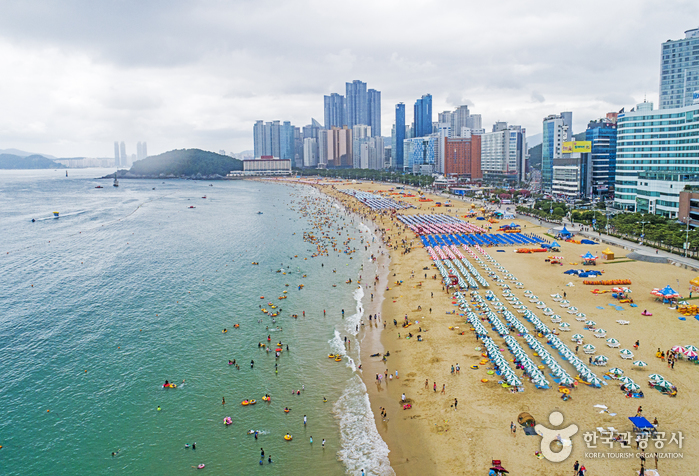


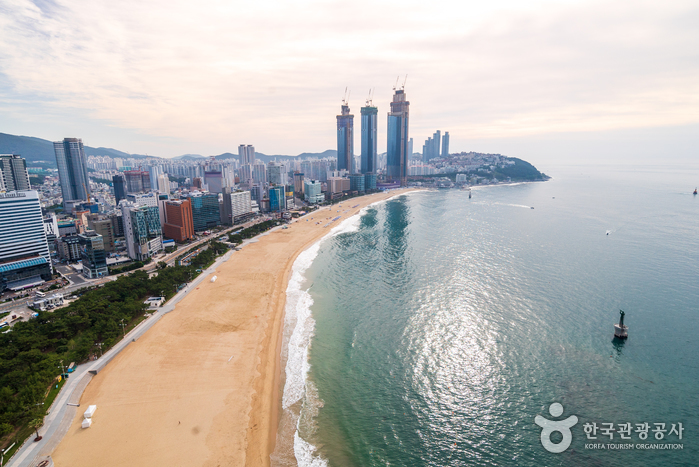
ヘウンデ海水浴場は広い白砂の浜辺と美しい海岸線を誇り、浅い水深と穏やかな波で海水浴に最適な条件を備えている。釜山を代表する名所であり、毎年夏の避暑客の数を測る指標となるほど国内最大の人出が集まる場所である。海岸線周辺には大小のビルや高級ホテルが立ち並び、現代的で洗練された雰囲気の海水浴場として知られているため、夏の休暇だけでなく年間を通じて若者で賑わい、外国人観光客にもよく知られている。毎年旧正月の満月の日には月見祭りが開催され、冬には北極熊水泳大会が冬の代表的な祭りとして定着している。砂の作品展や釜山海祭りなど大小さまざまなイベントも行われている。周辺にはトンベク島、オリュク島、水族館、ヨット競技場、ベクスコ月見峠など多くの見どころがある。ドラマ『力強い女カン・ナムスン』で主人公ナムスンがモンゴルの母親と砂浜に「海」という文字を貝で作り、一緒に写真を撮って楽しい時間を過ごした場所でもある。
2日目
チョンサポ 〉
★4.5(688)


海雲台の月見の丘に沿って松亭方向へ進むと、右下に見えるのがチョンサポである。釜山の海雲台と松亭の間には三つの小さな漁港が海岸に沿って並んでいる。九徳浦、美浦とともにチョンサポがその小さな漁港の一つである。チョンサポは質の良いワカメの産地として有名で、ここの日の出はすでに美しいことで定評がある。海岸沿いの磯には釣り人が集まり、特に秋のサバの旬の時期には多くの人が訪れる。また、海岸沿いを東海南部線が長く伸びており、時折汽笛を鳴らしながら走る列車が静かな田舎の風景を際立たせている。この鉄道は全国で二か所しかない海辺の線路で、映画『パラン注意報』の撮影地としても知られている。漁港の一角には飲食店や刺身店が並び、静かな漁港を背景に新鮮な海産物を味わうことができる。チョンサポの元の名前は「青い蛇」を意味するチョンサであった。その名前にまつわる伝説は、かつてこの村に仲の良い夫婦が住んでおり、漁に出た夫が海で亡くなった後、妻が海岸の岩に登って毎日夫を待っていた。これを哀れんだ竜王が青い蛇を送り、妻を東海の竜宮に連れて行き、亡き夫と会わせたという切ない物語である。しかし村名に蛇の文字が入るのは良くないとして、最近は「青い砂の漁港」という名前に変わった。
海東龍宮寺 〉
★4.4(26k)
海東龍宮寺は1376年に恭民王の王師であった懶翁大師が創建した韓国三大観音聖地の一つです。海と龍、観音大仏が調和し、信仰の深い意味を持っています。真心を込めて祈れば誰でも現夢を受け、一つの願いが叶うとされています。壬辰倭乱の兵火で焼失しましたが、1930年代初めに通度寺の雲崗が再建しました。1974年に正庵和尚が住職となり、観音道場として復興を誓い百日祈祷を行い、夢で白衣の観世音菩薩が龍に乗って昇天するのを見たことから寺名を海東龍宮寺に改めました。現存する建物には大雄殿、窟法堂、龍王堂(龍宮壇)、梵鐘閣、僧房などがあります。大雄殿の隣にある窟法堂は弥勒殿と呼ばれ、創建当初から弥勒坐像の石仏を祀っており、子孫に恵まれない人が祈願すると子孫を得られるとされ、得男仏と呼ばれています。大雄殿の前には四獅子石塔があります。
3日目
Ganjeolgot 〉


Located in Ulju-gun, Ulsan, Ganjeolgot is the place where the sun rises first on the Korean Peninsula, making it a representative spot visited by many every New Year's Day to witness the sunrise. Here, the sun rises about 1 minute earlier than at Pohang Homigot and about 5 minutes earlier than at Gangneung Jeongdongjin. One of Ganjeolgot's symbols, the Ganjeolgot Lighthouse, is a historic lighthouse built in the 1920s during the Japanese colonial period. It is now loved as a great walking course and photo spot as it blends with the surrounding park. The white lighthouse standing tall against the blue sea makes the scenery of Ganjeolgot even more impressive. Another special attraction here is the world's largest wish mailbox. Postcards put in it are actually delivered anywhere nationwide, and free postcards are distributed at Ganjeolgot Haeolje (Uljugun specialty product store), offering tourists precious memories. The Ganjeolgot area boasts beauty throughout the four seasons with rapeseed flower fields, peculiar rocks, and dense pine forests. Nearby attractions include Jinha Beach, the most crowded summer beach in Ulsan, Seosaengpo Waeseong, Nasabongsudae, and Onyandonggi Village, making for a variety of sights to enjoy. The wide-open horizon, early morning sunlight, and tranquil lighthouse scenery combined make Ganjeolgot a travel destination everyone should visit at least once.
Jangsaengpo Whale Culture Village 〉


Created in 2015, Whale Culture Village reproduces the appearance of the old Jangsaengpo whaling fishing village, offering a park with various themes and stories including Whale Plaza, Old Jangsaengpo Village, Prehistoric Whale Yard, Whale Sculpture Garden, and Aquatic Botanical Garden. It features unique experience spaces where visitors can encounter and learn about various whales represented in life-size whale forms. In addition, there are storytelling photo zones covering themes such as interaction and coexistence with whales, as well as outdoor learning spaces where visitors can experience prehistoric whale history culture including the Bangudae Petroglyphs and whaling murals. This is a space where diverse learning and play activities are possible.
4日目
Ulju Daegok-ri Bangudae Petroglyphs [UNESCO World Heritage] 〉
![Ulju Daegok-ri Bangudae Petroglyphs [UNESCO World Heritage] 1](https://tong.visitkorea.or.kr/cms/resource/84/3507484_image2_1.jpg)
![Ulju Daegok-ri Bangudae Petroglyphs [UNESCO World Heritage] 2](https://tong.visitkorea.or.kr/cms/resource/86/3507486_image2_1.jpg)
![Ulju Daegok-ri Bangudae Petroglyphs [UNESCO World Heritage] 3](https://tong.visitkorea.or.kr/cms/resource/88/3507488_image2_1.jpg)
![Ulju Daegok-ri Bangudae Petroglyphs [UNESCO World Heritage] 4](https://tong.visitkorea.or.kr/cms/resource/89/3507489_image2_1.jpg)
In Daegok-ri, Eonyang-eup, Ulju-gun, Ulsan, there is the scenic Bangudae, where a ridge of Yeongosan extends down and ends abruptly in striking rock formations, resembling the shape of a turtle lying flat, hence the name Bangudae (盤龜臺). The clear waters flowing down from Cheonjeon Valley in Doodong-myeon gather here to form a lakeside, celebrated as a place of exceptional beauty. Since ancient times, poets and scholars from various regions visited to enjoy the scenery through poetry. Petroglyphs are pictures carved into rocks by prehistoric people, depicting various events from their daily lives. Typically made on large rocks or sacred sites, these places were likely gathering spots for rituals. The Ulju Daegok-ri Bangudae Petroglyphs are located at the so-called "Geonneo Gakdan," a tributary of the Taehwa River called Daegokcheon, with the main rock face measuring 10m wide and 3m high. Numerous images are also found on surrounding rocks, totaling about ten sites with petroglyphs. These carvings are believed to have been made over multiple periods from the Neolithic era, showing stylistic differences by era. They are divided into two techniques: the area-chiseling method, where entire interiors are carved out, and the outline-chiseling method, where only contours are engraved. The depicted subjects include sea animals, land animals, humans, and tools. Sea animals include whales, seals, and turtles; land animals include deer, tigers, wild boars, and dogs. Human figures appear as faces only, standing frontally or sideways, and riding boats. Tools depicted include boats, fences, nets, harpoons, and crossbow-like objects. These images are thought to represent prehistoric hunting activities, carved with the hope for successful hunts and abundant game. Expressing animals and hunting scenes vividly and realistically, these petroglyphs serve as both hunting and religious art, offering invaluable insight into prehistoric life and customs. As the earliest whale hunting record and the first prehistoric art on the Korean Peninsula, the Bangudae Petroglyphs and the Cheonjeon-ri epigraphy and petroglyphs along the approximately 3km "Banguchon Petroglyphs" were inscribed as a UNESCO World Heritage site on July 12, 2025, representing a premier historical tourism resource of Korea.
このコースなら、ここで1泊すると移動が楽です
コース周辺で移動しやすく、満足度の高い宿を選びました


この都市の他のおすすめ日程
旅行レビュー
旅行のコツをシェアして、SNSも一緒にアピールしましょう。
会員登録して自分のチャンネルも一緒に紹介してもらう
(会員になると、マイページで設定した Instagram・YouTube・ブログのリンクが、あなたのコメントと一緒に表示されます。)
- ✔ あなたが書いたすべてのコメントに、SNSリンクが表示されます。
- ✔ コメントがベストに選ばれると、SNSリンクとともにホームページ上部にも掲載されます。
“「弘大近くに滞在して、夜のカフェ巡りをしました。街の夜景も雰囲気も最高でした。」”
ゲストとして投稿したコメントには、SNSリンクやプロフィールカードは表示されません。
旅行のひとことコメントを書く
この場所についてのちょっとしたコツや感想をシェアしてください。
ゲストとして、気軽にひとことコメントを残すこともできます。
ドラッグ&ドロップ、またはクリックして画像を追加(最大6枚)
まだレビューがありません。最初の感想を投稿してみましょう!