

海浪路)
海浪路是从釜山五六岛开始的全长750公里的韩国最长徒步旅行路线。沿途连接海岸路、森林路和村庄路,行走其间可尽览美丽的海岸风光。沿着承载海人愿望的道路前行,可以遇见日出最早的寺庙——海东龙宫寺。冬季有红色山茶花盛开的山茶岛,以及可以观赏最早日出的干节岬。
这个地方怎么样?
这条路线是 4 天行程示例。你可以直接保存,或扩展为 AI 行程。
第1天
海云台冬柏岛 〉
★4.6(268)


冬柏岛因长期的沉积作用与陆地相连,但仍称为冬柏岛,反映了昔日地形。许多诗人和文人如崔致远曾游览此地,赞美海洋与森林交织的美景。岛上设有环岛步道,游客络绎不绝,且有崔致远的海云台刻字、铜像和诗碑,以及黄玉公主传说中的美人鱼像和努里马鲁APEC会馆。冬柏岛观赏釜山全景,包括对岸的美浦海岸线、月见山、广安大桥和象征釜山海洋的五六岛。冬柏花在冬春季节盛开,红花飘落,增添了景致的韵味。
海云台海水浴场 〉
★4.6(2.6k)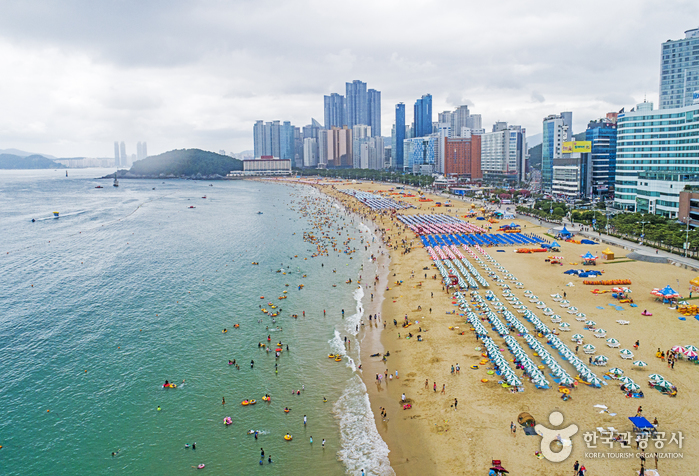


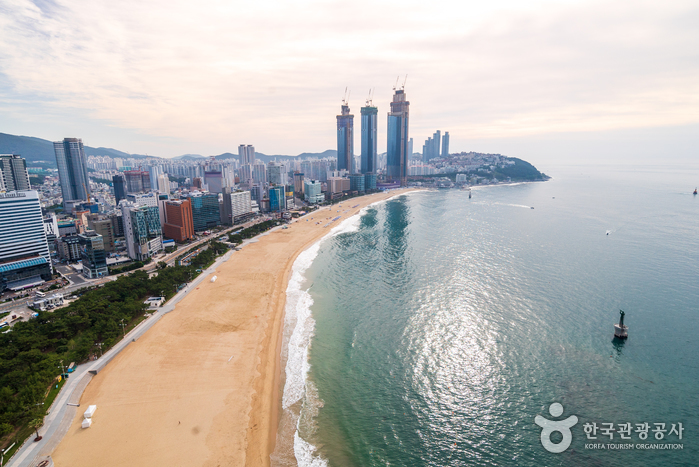
海云台海水浴场拥有宽广的白沙滩和美丽的海岸线,水深浅且波浪平缓,具备理想的海水浴条件。作为釜山的代表性景点,每年夏季吸引大量游客,是国内最拥挤的海水浴场之一。海岸线周围高楼林立,现代且时尚,全年充满年轻活力,深受外国游客欢迎。这里每年举办正月十五赏月节和冬季北极熊游泳大会等活动,周边还有东白岛、五六岛、水族馆、帆船赛场和贝克斯科赏月岭等众多景点。
第2天
青沙浦 〉
★4.5(688)


青沙浦位于海云台月见山丘沿线,朝松亭方向前行时可见右下方。釜山海云台与松亭之间沿海岸线排列着三个小港口,分别是九德浦、美浦和青沙浦。青沙浦以生产优质海带闻名,这里的日出景观也广受赞誉。海岸周围的礁石是钓鱼爱好者的聚集地,尤其在秋季鲭鱼盛产时更为热闹。东海南部线铁路沿海岸延伸,偶尔鸣笛经过,增添了宁静乡村的风情。这条铁路是全国仅有的两处海滨铁路线之一,也是电影《蓝色警报》的拍摄地。港口一侧排列着餐厅和生鱼片店,游客可在宁静的港口背景下品尝新鲜海鲜。青沙浦原名“青蛇”,传说一对夫妻中丈夫在捕鱼时溺水身亡,妻子每日登岩等待,龙王感其哀伤派青蛇将其接往东海龙宫与亡夫相会。因“蛇”字不吉,村名现改为“青沙港”。
海东龙宫寺 〉
★4.4(26k)
海东龙宫寺由1376年恭民王的王师懒翁大师创建,是韩国三大观音圣地之一。寺庙融合了大海、龙与观音大佛,体现了深厚的信仰意义。传说真诚祈祷者可获得显灵并实现愿望。寺庙曾在壬辰倭乱中被毁,1930年代初由通度寺的云岗重建。1974年,住持净庵法师发愿恢复观音道场,并因梦见观世音菩萨骑龙升天而更名为海东龙宫寺。现存建筑包括大雄殿、窟法堂、龙王堂、梵钟阁及僧舍等。窟法堂供奉弥勒坐像,被称为得男佛,祈祷者可望得子。大雄殿前有四狮石塔。
第3天
Ganjeolgot 〉


Located in Ulju-gun, Ulsan, Ganjeolgot is the place where the sun rises first on the Korean Peninsula, making it a representative spot visited by many every New Year's Day to witness the sunrise. Here, the sun rises about 1 minute earlier than at Pohang Homigot and about 5 minutes earlier than at Gangneung Jeongdongjin. One of Ganjeolgot's symbols, the Ganjeolgot Lighthouse, is a historic lighthouse built in the 1920s during the Japanese colonial period. It is now loved as a great walking course and photo spot as it blends with the surrounding park. The white lighthouse standing tall against the blue sea makes the scenery of Ganjeolgot even more impressive. Another special attraction here is the world's largest wish mailbox. Postcards put in it are actually delivered anywhere nationwide, and free postcards are distributed at Ganjeolgot Haeolje (Uljugun specialty product store), offering tourists precious memories. The Ganjeolgot area boasts beauty throughout the four seasons with rapeseed flower fields, peculiar rocks, and dense pine forests. Nearby attractions include Jinha Beach, the most crowded summer beach in Ulsan, Seosaengpo Waeseong, Nasabongsudae, and Onyandonggi Village, making for a variety of sights to enjoy. The wide-open horizon, early morning sunlight, and tranquil lighthouse scenery combined make Ganjeolgot a travel destination everyone should visit at least once.
Jangsaengpo Whale Culture Village 〉


Created in 2015, Whale Culture Village reproduces the appearance of the old Jangsaengpo whaling fishing village, offering a park with various themes and stories including Whale Plaza, Old Jangsaengpo Village, Prehistoric Whale Yard, Whale Sculpture Garden, and Aquatic Botanical Garden. It features unique experience spaces where visitors can encounter and learn about various whales represented in life-size whale forms. In addition, there are storytelling photo zones covering themes such as interaction and coexistence with whales, as well as outdoor learning spaces where visitors can experience prehistoric whale history culture including the Bangudae Petroglyphs and whaling murals. This is a space where diverse learning and play activities are possible.
第4天
Ulju Daegok-ri Bangudae Petroglyphs [UNESCO World Heritage] 〉
![Ulju Daegok-ri Bangudae Petroglyphs [UNESCO World Heritage] 1](https://tong.visitkorea.or.kr/cms/resource/84/3507484_image2_1.jpg)
![Ulju Daegok-ri Bangudae Petroglyphs [UNESCO World Heritage] 2](https://tong.visitkorea.or.kr/cms/resource/86/3507486_image2_1.jpg)
![Ulju Daegok-ri Bangudae Petroglyphs [UNESCO World Heritage] 3](https://tong.visitkorea.or.kr/cms/resource/88/3507488_image2_1.jpg)
![Ulju Daegok-ri Bangudae Petroglyphs [UNESCO World Heritage] 4](https://tong.visitkorea.or.kr/cms/resource/89/3507489_image2_1.jpg)
In Daegok-ri, Eonyang-eup, Ulju-gun, Ulsan, there is the scenic Bangudae, where a ridge of Yeongosan extends down and ends abruptly in striking rock formations, resembling the shape of a turtle lying flat, hence the name Bangudae (盤龜臺). The clear waters flowing down from Cheonjeon Valley in Doodong-myeon gather here to form a lakeside, celebrated as a place of exceptional beauty. Since ancient times, poets and scholars from various regions visited to enjoy the scenery through poetry. Petroglyphs are pictures carved into rocks by prehistoric people, depicting various events from their daily lives. Typically made on large rocks or sacred sites, these places were likely gathering spots for rituals. The Ulju Daegok-ri Bangudae Petroglyphs are located at the so-called "Geonneo Gakdan," a tributary of the Taehwa River called Daegokcheon, with the main rock face measuring 10m wide and 3m high. Numerous images are also found on surrounding rocks, totaling about ten sites with petroglyphs. These carvings are believed to have been made over multiple periods from the Neolithic era, showing stylistic differences by era. They are divided into two techniques: the area-chiseling method, where entire interiors are carved out, and the outline-chiseling method, where only contours are engraved. The depicted subjects include sea animals, land animals, humans, and tools. Sea animals include whales, seals, and turtles; land animals include deer, tigers, wild boars, and dogs. Human figures appear as faces only, standing frontally or sideways, and riding boats. Tools depicted include boats, fences, nets, harpoons, and crossbow-like objects. These images are thought to represent prehistoric hunting activities, carved with the hope for successful hunts and abundant game. Expressing animals and hunting scenes vividly and realistically, these petroglyphs serve as both hunting and religious art, offering invaluable insight into prehistoric life and customs. As the earliest whale hunting record and the first prehistoric art on the Korean Peninsula, the Bangudae Petroglyphs and the Cheonjeon-ri epigraphy and petroglyphs along the approximately 3km "Banguchon Petroglyphs" were inscribed as a UNESCO World Heritage site on July 12, 2025, representing a premier historical tourism resource of Korea.


该城市的其他推荐行程
旅行评价
分享你的旅行小贴士,也让更多人看到你的社交账号。
注册成为会员,让更多人认识你的频道。
(成为会员后,在“我的页面”中设置 Instagram、YouTube、博客链接,我们会在你发表的每条评论旁一起展示。)
- ✔ 你发布的每一条评论旁都会显示你的社交账号链接。
- ✔ 如果你的评论被选为「最佳评论」,我们还会在首页顶部突出展示你的留言和社交账号。
““住在弘大附近,晚上去了一圈咖啡馆,城市夜景和氛围都太完美了。””
以访客身份发表的评论,不会显示任何社交账号链接或个人资料卡片
写下一条旅行短评
分享一条关于这个地点的小贴士吧。
或者以访客身份快速留下一个评论。
拖拽或点击添加图片(最多6张)
还没有任何评论,快来写下你的第一条感受吧!