

从牛岩山麓眺望清州夜景
水岩谷位于忠清北道清州市上党区水岩路一带,成为访客必到的著名景点。这里是朝鲜战争后难民定居形成的月村,曾经简陋且寂静。2007年公共艺术项目启动后,环境开始发生变化。
这个地方怎么样?
这条路线是 2 天行程示例。你可以直接保存,或扩展为 AI 行程。

第1天
국립청주박물관 어린이박물관 〉
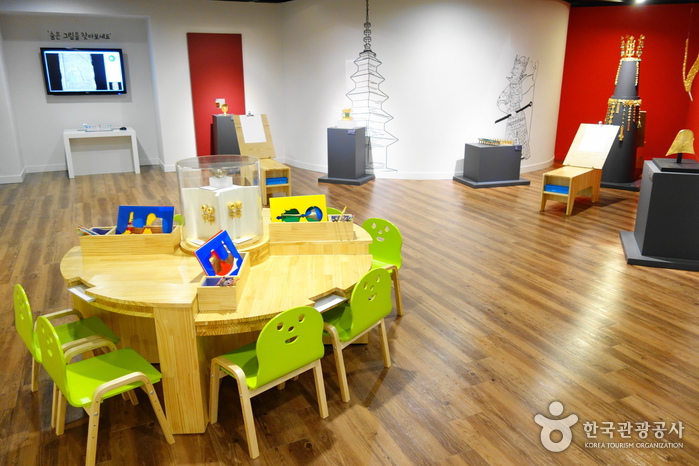
국립청주박물관 내에 있는 어린이박물관은 어린이들을 위해 마련된 문화 학습 공간이다. 제1전시실에서는 문화재의 조사와 보존, 전시 등 박물관의 중요한 활동을 이해하고, 맑은 고을 청주의 역사와 문화를 즐겁게 체험할 수 있다. 제2전시실에서는 선’을 따라서 우리나라와 세계 여러 나라의 문화를 비교해 보고, 우리 문화의 특징과 우수성을 새로운 시각에서 살펴 볼 수 있다. 체험학습실에서는 우리 문화재의 아름다움과 우수성을 직접 만들어 보고, 만져보고, 느껴 볼 수 있다.
Cheongju Sangdang Fortress 〉


* A Three Kingdoms period shell-type stone fortress, Sangdang Fortress * The name Sangdang Fortress appears to originate from Sangdang-hyeon of the Baekje period in the Three Kingdoms era. It is a massive shell-type stone fortress exceeding 4km in circumference. The fortress is believed to have first been built as an earthen fortress during the Baekje period, and records suggest that Kim Seohyeon (Wonjeonggong), the third son of Kim Yushin, constructed Seowonsulseong here. Later, it was rebuilt during the Japanese invasions of 1592 (29th year of King Seonjo of Joseon) and converted to a stone fortress during King Sukjong’s reign. According to the Eupji (local gazette), the fortress was renovated with stonework in 1716 (42nd year of King Sukjong) based on the old site, with the names and official titles of those involved in construction inscribed on the southern gate and walls. The pavilion above the south gate was restored in 1977. * Structure and construction method of Sangdang Fortress * Covering an area of 12.6 hectares with a circumference of 4,400 meters, the fortress walls are vertical stone structures built with stones of varying sizes and reinforced inwardly with soil using the inner wedging technique (Naetak Gongbeop), standing 4.7 meters tall. The fortress has three gates on the east, west, and south sides. The south gate features a semicircular arch made of musaseok stone with a wooden pavilion on top. Currently, only the stone foundation remains, with the gate measuring 3.5m in height and 4.2m in width. The east and west gates also had pavilions, built squarely with musaseok stones measuring 2.7m tall and 2.8m wide. Near the east and south gates are one each of secret gates (Ammun), and a water outlet (Sugou) was located in the southeast, though it is now a reservoir. Inside the fortress remain the sites of the East and West Command Posts (Dongjangdae and Seojangdae). Sangdang Fortress is the most representative architectural symbol of Cheongju. Its walls resemble a belt tied around Sangdang Mountain and have protected the city in times of danger. The fortress walls stretch along the ridgeline about 4.2 km with a height of 4 to 5 meters. Partial repairs were made during the Japanese invasions and the stone fortress was rebuilt with square-cut granite in 1716. The compound once contained five ponds, three temples, government buildings, and warehouses. Currently, it features three gates: Goonammun (South Gate), Mihomun (West Gate), Jindongmun (East Gate), two secret gates, three bastions (Chiseong), and three water outlets. The Dongjangdae, where Joseon soldiers trained, was restored in 1992 to recreate its original appearance. After circling the fortress and descending, visitors can enjoy a traditional hanok village within the fortress grounds, where traditional liquors and bindaetteok (mung bean pancakes) provide refreshment after the walk. ※ A cultural tourism guide is stationed here and explanatory tours are available anytime. ◎ Travel tip encountering the charm of Korean Wave - The drama featured Sangdang Fortress as the place King Injo fled during the Qing invasion; it also served as a backdrop for Namhansanseong.
Suamgol Observatory 〉


Suamgol Observatory is a viewpoint where you can see the entire city of Cheongju at a glance. It is located in Suamgol, a settlement created by refugees after the Korean War, near Cheongju Uamsan and Cheongju University. Suamgol is known as the filming location for the KBS drama "The Baker King, Kim Takgu" and is famous for Suamgol Mural Village, Drama Street, and Cafe Street. If you walk about 15 minutes from Palbong Bakery, you will arrive at Suamgol Observatory. The top of the observatory is open on all sides, offering a great view of the entire city of Cheongju. At night, you can see the sparkling night view of Cheongju. There are also photo zones such as benches and heart sculptures.
第2天
Cheongju Central Park 〉


Since ancient times, Cheongju was called Juseong (舟城) because its terrain was said to resemble a boat floating on the Musimcheon River. The Cheongju Yongdusa site’s iron flagpole standing in Nammullo 2-ga in the heart of Cheongju is said to be a mast erected to stabilize that boat. Central Park, located in the city center of Cheongju, serves as a resting place for citizens and contains the ancient ginkgo tree named Apgak-su, the Chungcheong Province Byeongmajeoldosa Pavilion (Yeongmun), and Mangseonru. The Byeongmajeoldosa Pavilion is a two-story wooden pavilion with a front of three kan and side of two kan, featuring an Ikkong-style octagonal roof, designated as a tangible cultural property. In front of it stands the 1,000-year-old ginkgo tree Apgak-su and several monuments commemorating figures such as Jo Heon and Young-gyu Dae-sa, including memorial tablets by Han Bong-su, Park Chun-mu, and the Seowon Hyangyak tablet. Central Park serves as a place of rest for citizens at the heart of Cheongju city and hosts various music concerts and presentations for the public. The park has many historic remains including the 1,000-year-old ginkgo tree Apgak-su (Chungbuk monument), the wooden two-story Byeongmajeoldosa Pavilion Yeongmun (Chungbuk tangible cultural property), the Joheon Jeonjang Gijeokbi (Chungbuk tangible cultural property), and the Cheokhwabi (Chungbuk monument). The ginkgo tree in Central Park is named Apgak-su (鴨脚樹) because its leaves resemble duck feet. There is a legend about this ginkgo tree: during the end of the Goryeo period under King Gongyang, Yun Yi and Lee Cho falsely told Ming China that Yi Seong-gye’s faction planned to invade Ming along with King Gongyang. Due to this, people such as Lee Saek, Jung Ji, Lee Seung-in, and Kwon Geun were imprisoned and interrogated at Cheongju prison, but a sudden heavy rain caused flooding inside the fortress. Prisoners survived by climbing a nearby tree, which is said to be this Apgak-su.
Cheongju Yongdusaji Cheoldanggan 〉


When there is an event at a temple, a flag called a dang is hung at the entrance, and the pole used to hang this flag is called a danggan. The two pillars supporting the danggan on both sides are called dangganjiju. Nammun-ro, Sangdang-gu, Cheongju-si, where the danggan stands, was once the site of a temple called Yongdusa. Yongdusa was founded in 962 (the 13th year of King Gwangjong of Goryeo) but was ruined due to frequent wars and rebellions toward the late Goryeo period. The site where the temple stood has now become the busiest street in downtown Cheongju. This danggan remains intact with its base stone and two supporting pillars, preserving its original form well. The two pillars have vertically carved lines in the center of their outer surfaces, adding variation to the plain surface. Between them, 20 cylindrical iron rings are stacked and interlocked from top to bottom to form the danggan, while the top of the stone pillars has a latch-like fixture securing the danggan firmly. Especially on the surface of the third iron ring, the motivation and process for erecting this iron danggan are recorded; originally, it is said to have consisted of 30 iron rings. The danggan was erected in the same year as the temple's founding, 962 (the 13th year of King Gwangjong), providing a precise date and thus holding significant value. Furthermore, since danggan remains are rare in Korean cultural heritage, this iron danggan, along with those at Gapsa Temple in Gongju and Chiljangsa Temple in Anseong, forms a rare example. Historically, Cheongju suffered many disasters caused by floods, and a fortune teller suggested that erecting a large mast would cause the area to resemble a boat, thus avoiding disasters. Accordingly, a danggan functioning as a mast was erected here, enabling the region to escape disasters. Since then, Cheongju has been called Juseong (Boat Fortress), as the story goes.
Cheongju Yukgeori General Market 〉


Cheongju's representative traditional market where you can purchase agricultural products directly produced in rural areas as well as various manufactured goods. There is also a dawn market (also known as Dokkaebi Market) where agricultural products produced directly by farmers are traded. It began as Cheongju market by Musimcheon embankment during the Joseon Dynasty and has been called Yukgeori Market since 1973. It covers an area of 30,000 pyeong with about 1,600 stores and around 4,000 workers. Five-day markets are held on the 2nd and 7th of each month. It is regarded as an excellent example among traditional markets nationwide and serves as a model for merchants in other regions.
这条路线更适合在这里住一晚
精选了路线周边移动方便、满意度高的住宿


该城市的其他推荐行程
旅行评价
分享你的旅行小贴士,也让更多人看到你的社交账号。
注册成为会员,让更多人认识你的频道。
(成为会员后,在“我的页面”中设置 Instagram、YouTube、博客链接,我们会在你发表的每条评论旁一起展示。)
- ✔ 你发布的每一条评论旁都会显示你的社交账号链接。
- ✔ 如果你的评论被选为「最佳评论」,我们还会在首页顶部突出展示你的留言和社交账号。
““住在弘大附近,晚上去了一圈咖啡馆,城市夜景和氛围都太完美了。””
以访客身份发表的评论,不会显示任何社交账号链接或个人资料卡片
写下一条旅行短评
分享一条关于这个地点的小贴士吧。
或者以访客身份快速留下一个评论。
拖拽或点击添加图片(最多6张)
还没有任何评论,快来写下你的第一条感受吧!