

穿越时间沉醉群山
这次旅行从时间旅行村区域开始,游客可以享受各种旅游景点、美食,深入体验群山独特的魅力。在时间旅行村区域,游客可以穿越近代住宅、草原照相馆和庆岩洞铁轨村,感受过去的时光。那里保留着原貌,令人沉醉于群山的历史。最后,在仙游岛各处体验刺激的休闲运动,再次感受群山的魅力。
这个地方怎么样?
这条路线是 2 天行程示例。你可以直接保存,或扩展为 AI 行程。

第1天
Binhaewon 〉


Gunsan Binhaewon is a two-story building constructed in 1965 using concrete and bricks. The building features a unique structure with open interior spaces on the first and second floors and several rooms on each floor. Gunsan Binhaewon is a Chinese restaurant operated by the Chinese community who settled in Gunsan after the Korean War. It originally opened in the early 1950s and relocated to the current building in 1965. Decorations, kitchenware, and daily necessities displayed at the restaurant reflect changes in Chinese culture. Gunsan Binhaewon is a representative architectural site showing the Chinese culture that settled in modern-day Gunsan.
Dongguksa 〉
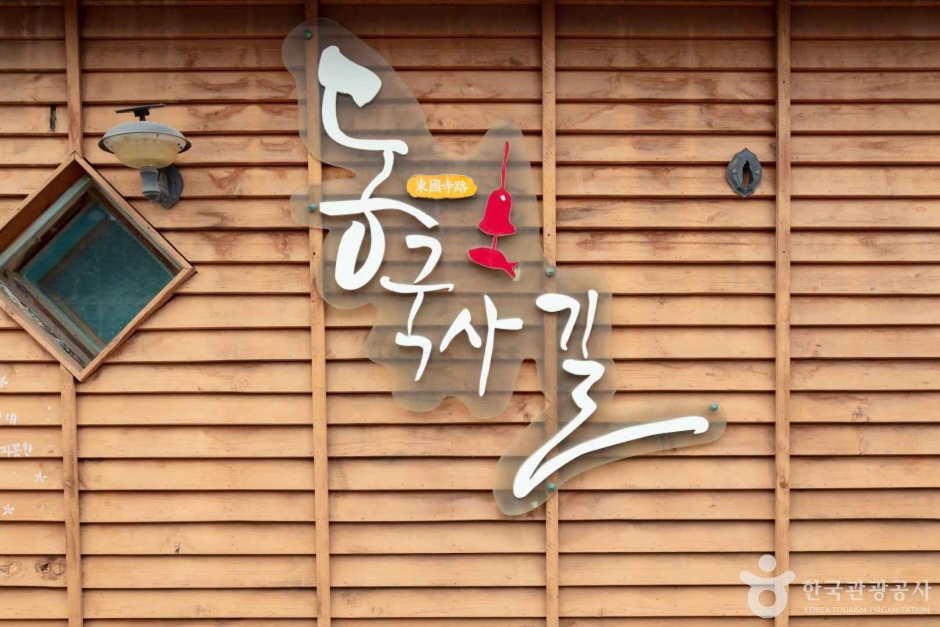
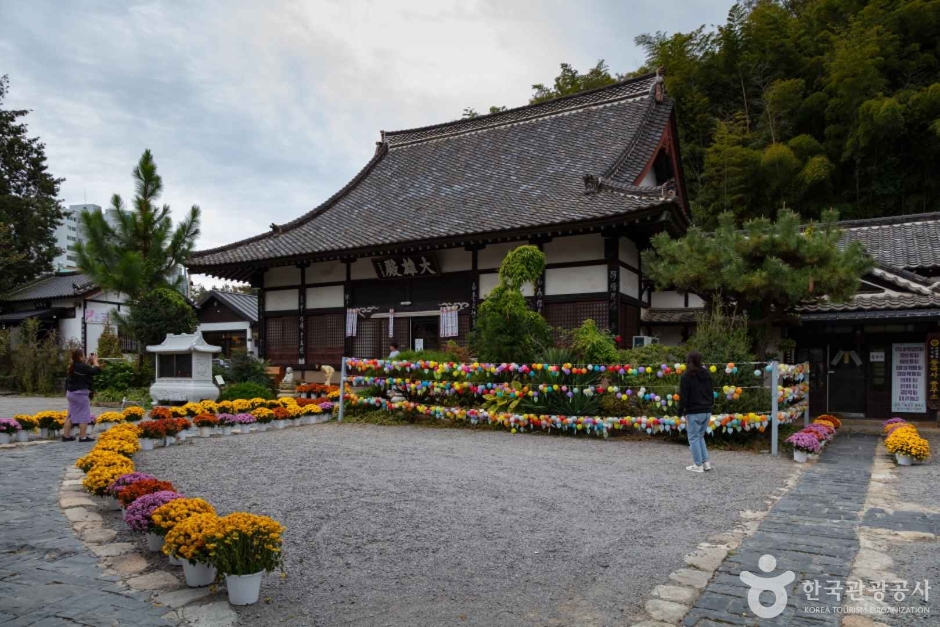
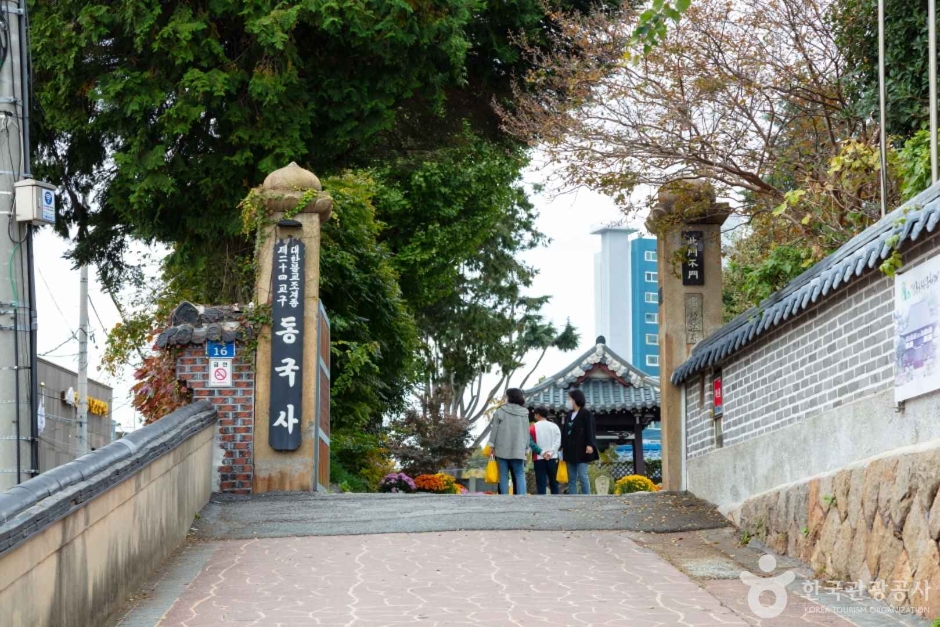
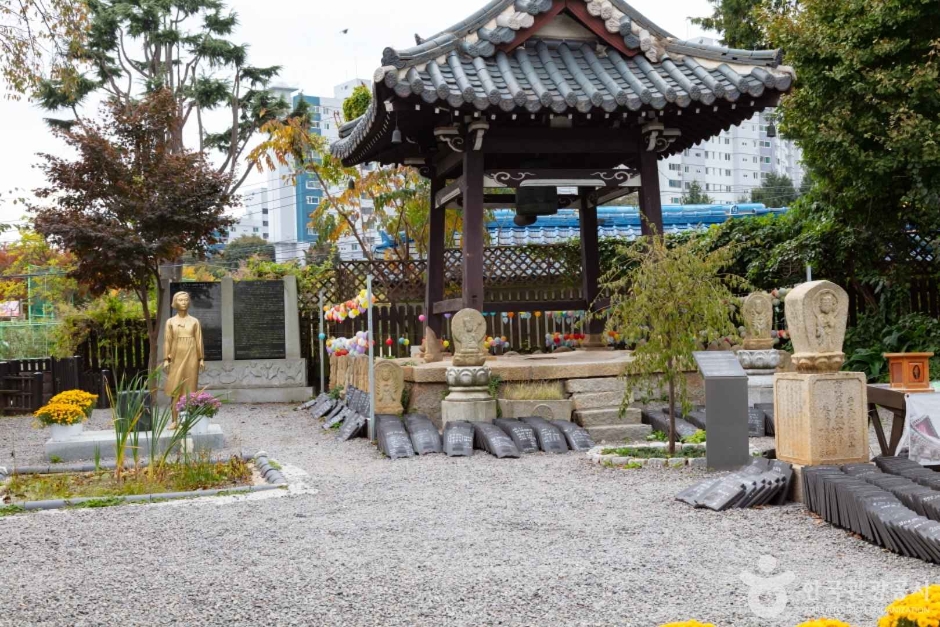
Dongguksa (東國寺) was founded in 1909 by the Japanese monk Seoneungbulgwan, and operated by Japanese monks during the 36 years of the Japanese colonial period. It bears the painful history of returning to Korea on August 15, 1945. It has existed through the Korean Empire and the Japanese colonial era to the present. It is the only remaining Japanese-style temple in Korea, characterized by the Daeungjeon and monks' quarters connected by an indoor corridor. Unlike Korean temples with ornate dancheong, Dongguksa features undecorated eaves and many windows on the Daeungjeon exterior, showing typical Japanese temple traits. A branch temple of Seonunsa in Gochang in the Jogye Order's 24th district, Dongguksa's Daeungjeon was designated a National Registered Cultural Heritage site in July 2003. Its original name was Geumgang Seonsa, founded in 1909 by the Japanese monk Naejeonbulgwan, establishing a proselytizing site in Gunsan for the Jodong sect. Japanese Buddhism entered Korea in 1877 following the opening of Busan, initially by the Jodojin sect Daegok faction establishing sites from 1904, followed by the Ilyeon sect. The Japanese government's intent was to assimilate Korea, not just propagate Buddhism. The Japanese Government-General issued the Temple Ordinance on June 3, 1911, promoting Japanese Buddhism throughout Korea by building branch temples and missions. Before Geumgang Seonsa's founding, Gunsan had Bonwonsa, Gunsansa, and Anguksa temples. Naejeonbulgwan, 77 years old in 1909, opened the proselytizing site in a house in Iljotong, Gunsan, then moved it in July 1913 to the current location and constructed today's Dongguksa.
Chowon Photo Studio 〉


Chowon Photo Studio is famous as the filming location of the movie , released in January 1998. This film stars Han Seok-kyu and Shim Eun-ha, portraying the unfinished love between Jo-won (Han Seok-kyu), a photographer with a terminal illness, and Darim (Shim Eun-ha), a parking enforcement officer who appears one day in front of him. Most of the filming took place in Chowon Photo Studio in Wolmyeong-dong, Gunsan-si, and its vicinity. During production, the crew decided to avoid set filming and searched for suitable photo studios across the country but found none adequate. Then, while taking a break, they discovered a garage with the shadow of summer trees outside a café window and, with difficulty, obtained the owner's permission to convert it into a photo studio. The name Chowon Photo Studio was given by lead actor Han Seok-kyu, named after a photo studio in his childhood neighborhood. After filming, the studio was dismantled as promised with the garage owner, but later Gunsan-si restored it and now opens it free of charge to visitors. Inside, original items from the movie such as the camera, fan, and albums are preserved and displayed.
Iseongdang 〉


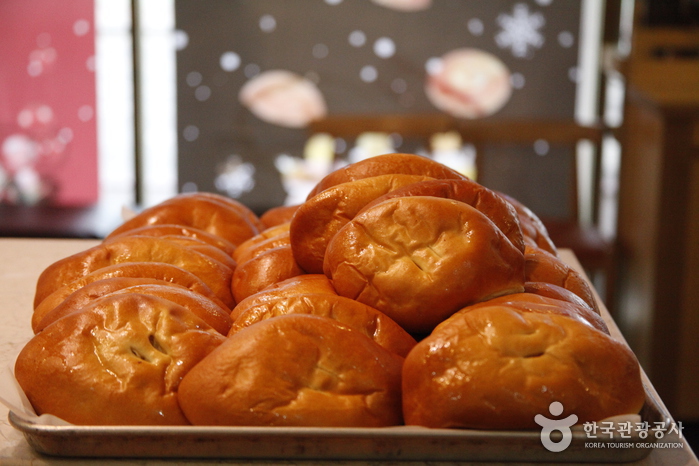

It originated when a Japanese man named Hirose Yastaro, who lived in Izumo City, Shimane Prefecture, Japan, crossed over to Joseon in 1906 and opened a business under the name 'Izumoya.' In 1945, after liberation, Korean Mr. Lee Seok-woo took over the place where Izumoya had disappeared. The name Iseongdang is known to mean 'a bakery run by a person with the surname Lee,' but some researchers have differing views, suggesting that the name signifies 'a house prospered by a person with the surname Lee.' The current official Hanja notation for Iseongdang means 'a house prospered by a person with the surname Lee.' Red bean bread and vegetable bread are the representative menu items. ◎ A bakery with a deep history loved by Koreans and featured on various TV shows showcasing the charm of Hallyu, such as , , , and .
Gyeongamdong Railroad Village 〉


Gyeongamdong Railroad Village is the name given to the village surrounding the 2.5km-long railroad connecting the Paper Korea factory and Gunsan Station, completed in 1944 in Gyeongamdong, Gunsan-si, Jeonbuk Province. The name originates from the administrative area where the village is located, along the railroad. People began settling around the railroad built during the Japanese occupation in 1944, forming a village, and the village was officially formed in the 1970s. Although trains no longer run, the railroad remains intact, making it a tourist attraction in Gunsan that evokes modern memories. The railroad was first established in 1944 during the Japanese colonial period to transport newspaper paper materials. Until the mid-1950s, it was called the 'Bukseon Paper Railroad,' then the 'Goryeo Paper Railroad' until the early 1970s, and afterward 'Sedae Paper Line' or 'Sepung Railroad.' After Sepung Group went bankrupt, the line was named after the new owner, now called the 'Paper Korea Line.' Gyeongamdong Railroad Village is famous for recreating the 1970s-80s atmosphere, giving visitors a retro feeling. Old houses and shops remain throughout the village, allowing visitors to feel like they have traveled back in time. Along both sides of the railroad, there are stalls selling pick-me-up snacks, dalgona, and ttakji, as well as opportunities to wear old school uniforms and take photos, making it popular among tourists.
第2天
한소끔 〉
한소끔은 은파호수공원 맛집단지에 위치한 격이 있는 식당이다. 살아 있는 문어와 낙지, 전복과 회를 즐길 수 있는 곳이다. 한식 전공 교수 출식 박사가 경영하는 한소끔은 2013년 창업 이후 고객의 요구에 충족하기 위해 노력한 결과 좋은 시설과 서비스, 음식으로 여러번의 방송출현을 할 정도로 인정받고 있는 식당이다.
Eunpa Lake Park 〉


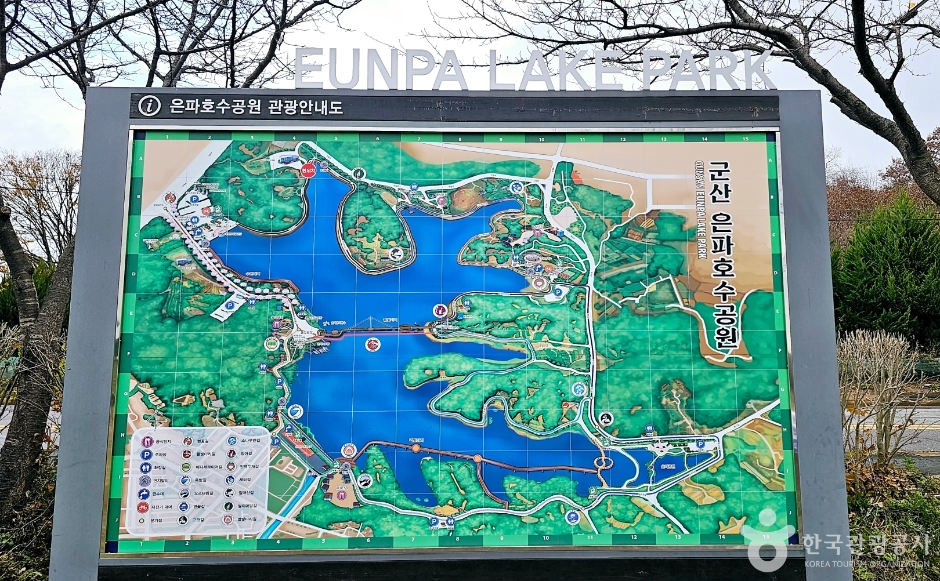
Called 'Eunpa' because of the beautiful shimmering waves at sunset, this place dates back to before the Joseon Dynasty and is marked on the Daedongyeojido by the scholar Kim Jeong-ho, indicating its deep historical roots. Centered around the Mi-je reservoir, it is a vast national tourist site spanning over 700,000 pyeong. Originally an agricultural reservoir, Eunpa Tourism Site was designated a national tourist site in 1985, including nearby small mountains, and with the completion of a circular road, visitors can tour all ninety-nine bends by car. The wide, tranquil lake was used as a rowing venue during the National Sports Festival and features a meeting plaza of about 23,000 pyeong with a memorial tower for independence patriots from Gunsan and Okg-gu, where over 100 zelkova trees are planted, further establishing its status as a national tourist destination. The fountain, shaped like flower petals reflecting Eunpa’s characteristics and image, creates a beautiful, fantastic scene connecting the lake and the Water Light Bridge. The fountain’s petal form enhances its beauty. The Water Light Bridge is shaped after the ‘Jungbau Legend’ related to the Eunpa reservoir, symbolizing Aegibau, Jungbau, and Gaebau based on local folklore, recreating a meaningful landscape through the integration of natural and historical cultural elements. Visitors can leisurely enjoy the natural reflections on the lake from the bridge crossing Eunpa and at night experience the beauty of light illuminated by lighting, offering a peaceful and subtle resting place provided by water and light.
Seonyudo Beach 〉


Seonyudo Beach, located in Okdo-myeon, Gunsan-si, Jeonbukteukbyeoljachi-do, is a natural coastal sand dune beach with a wide, glass-like transparent and beautiful white sand, known as Myeongsasipri Beach. Even when you go about 100 meters into the water, the depth only reaches the waist, and there are no high waves, allowing safe water play. Moreover, the front sea is so clear it is almost cobalt blue, and the red sunset colors the evening sky, which is another gift from Myeongsasipri. Watching the sunset dye the sky and sea entirely red as it sinks into the sea, you are amazed anew by the wonder of nature.
장자도 〉
고군산군도의 한 섬을 이루고 있다. 힘이 센 장사가 나왔다 하여 장자섬이라 한다. 바다에서 조업을 하다가 폭풍을 만났을 때 이 섬으로 피신하면 안전하다 하여 대피항으로 유명하다. 선유도와는 장자교로 연결되어 있다. 장자도는 고군산군도 섬 중 가장 가운데 자리 잡고 있으며, 대장봉에 오르면 고군산군도 63개의 섬이 파노라마처럼 펼쳐져 한국산악회, 한국사진작가협회, 방송3사 등에서 촬영하기 좋은 지점으로 선정되었다. 갯벌체험, 바다낚시, 해상낚시 등 레저활동이 가능하고 활어회, 해물찜, 바지락칼국수, 박하지 등 먹거리가 풍부할 뿐 아니라 일출·일몰명소 대장봉 등산 및 하이킹, 고군산군도 유람선 관광, 석양의 장관 장자대교, 장자할머니 바위, 대장도 당제 등 많은 관광명소가 있어 여름 휴가철 외에도 방문하기 좋다.
这条路线更适合在这里住一晚
精选了路线周边移动方便、满意度高的住宿


该城市的其他推荐行程
旅行评价
分享你的旅行小贴士,也让更多人看到你的社交账号。
注册成为会员,让更多人认识你的频道。
(成为会员后,在“我的页面”中设置 Instagram、YouTube、博客链接,我们会在你发表的每条评论旁一起展示。)
- ✔ 你发布的每一条评论旁都会显示你的社交账号链接。
- ✔ 如果你的评论被选为「最佳评论」,我们还会在首页顶部突出展示你的留言和社交账号。
““住在弘大附近,晚上去了一圈咖啡馆,城市夜景和氛围都太完美了。””
以访客身份发表的评论,不会显示任何社交账号链接或个人资料卡片
写下一条旅行短评
分享一条关于这个地点的小贴士吧。
或者以访客身份快速留下一个评论。
拖拽或点击添加图片(最多6张)
还没有任何评论,快来写下你的第一条感受吧!