

以书生的步伐越过英州的古老山岭
提到英州,首先想到的是浮石寺和小修书院。浮石寺周围有非常适合散步的美丽森林小径,不容错过其风情。附近可以看到金成大君神坛、初庵寺以及韩国最早的赐额书院小修书院。英州还有许多别具风情的美丽景点,值得慢慢游览。
这个地方怎么样?
这条路线是单日行程示例。你可以直接保存,或扩展为 AI 行程。

점심식사(부석사종점식당) 〉
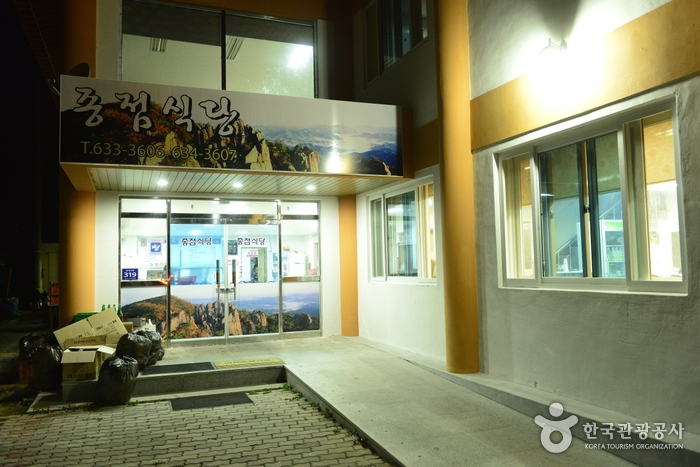
부석사 입구에는 향토음식점이 꽤 많이 있는데 그중에서도 산채정식과 산채비빔밥으로 유명하다. 소백산 깊은 곳에서 맑은 이슬을 듬뿍받고 자란 산나물로 반찬이 가득찬 진수성찬을 맞볼수 있으며, 특히 요리시 조미료나 감미료를 전혀 사용하지 않고 천연의 참기름, 깨소금, 간장 등을 사용하여 그맛이 일품이며, 부석사를 찾는 관광객이 많이 찾고 있다.
Yeongju Geumseong Daegun Shindan 〉


Yeongju Geumseong Daegun Shindan is designated as Historic Site No. 491. It is a shrine dedicated to Geumseong Daegun (Name: Yu, sixth son of King Sejong, uncle of King Danjong, fourth brother of Prince Suyang), who was brutally punished for attempting to restore King Danjong during the reign of King Sejo of Joseon, to Sunheung magistrate Lee Bo-heum (李甫欽), and to the righteous patriots who were implicated and died for this cause. In the first year of King Sejo's reign (1455), the faction of Prince Suyang, who had usurped King Danjong's throne, falsely accused Geumseong Daegun of rebellion and exiled him first to Saknyeong (朔寧), then to Gwangju (廣州). The following year, after the failure of the restoration movement led by the Six Martyred Ministers including Seong Sam-mun and Park Paeng-nyeon, Geumseong Daegun was further exiled to Sunheung and placed under close confinement. He secretly collaborated with Sunheung magistrate Lee Bo-heum, composing a rallying declaration to restore King Danjong and gathering supporters in Sunheung. Fundraising, arms procurement, and military training were underway for the planned uprising to restore King Danjong, who was exiled in Yeongwol. However, in autumn of Sejo's third year (1457), a palace slave's betrayal led to a government army attack on Sunheung, resulting in mass slaughter and the abolition of Sunheung County. Over 200 years later, in the ninth year of King Sukjong (1683), Sunheung's honor was restored. In the 45th year of Sukjong’s reign (1719), local resident Lee Ki-ryung informed magistrate Lee Myeong-hui, leading to the establishment of this altar. The current form of the Geumseong Daegun Shindan was established in the 18th year of King Yeongjo (1742) at the request of the Gyeongsang governor Shim Seong-hui. The altar was renovated, with Geumseong Daegun enshrined at the center, magistrate Lee Bo-heum on the right, and unknown patriots on the left. A monument honoring their loyalty was erected. Annual memorial rites are held in spring and autumn to honor their spirits.
Choamsa Temple 〉


Choamsa Temple is a small temple located on the hillside along the Jukkye Gul valley. During the Silla Dynasty, Monk Uisang built a temporary hut here to establish a national protection temple, selecting this scenic spot as a favorable site. After founding Buseoksa Temple, he built a temple on the site of the hut, naming it Choamsa. The temple declined after the Korean War (6.25) but was restored to its present form through the dedicated efforts of Monk I Bo-eun. It houses cultural properties such as a three-story stone pagoda designated as a provincial cultural asset. Nestled in the serene atmosphere of Sobaeksan Mountain, Choamsa offers a pure practice ground that helps one cast away worldly distractions and enter a world of quiet meditation. (Source: Yeongju-si Culture and Tourism)
Jukgye Gugok 〉


Jukgye Valley is a valley located in Baejeom-ri, Sunheung-myeon, Yeongju-si, Gyeongsangbuk-do, on Sobaeksan Mountain. Jukgye Stream originates from Gungmangbong Peak of Sobaeksan and flows southeast, surrounding Sosu Seowon. The water drops winding around jagged rocks on the Geumdang rock formation resemble scattering crystal beads, creating nine scenic bends called Jukgye Gugok. It was the setting of "Jukgye Byeolgok," a poem by Geunjae An Chuk, a great scholar of the late Goryeo period, and in the mid-Joseon period, scholars such as Sinjae Ju Sebung and Toegye Yi Hwang enjoyed the scenery and composed poetry here. According to Sunheungji, the name Jukgye Gugok was first given by Shin Pil-ha, appointed magistrate of Sunheung in the 4th year of King Yeongjo of Joseon (1728). The distance spans about 2 km from Choaam Geumdang rock (1st bend) to the 9th bend. Currently, only the names of bends 1, 2, 4, 5, and 9 are preserved. Following Jukgye Gugok upward, you can see Choaam Temple, a small temple at the foot of Sobaeksan. This temple originated when Monk Uisang of the Silla period set up a hut here as a temporary residence while choosing a site for Buseoksa Temple and later built the temple where the hut stood, hence named Choaam. The temple fell into ruin during the Korean War but was restored to its current state through the dedicated efforts of Monk I Bowen.
Sosu Seowon [UNESCO World Heritage] 〉
![Sosu Seowon [UNESCO World Heritage] 1](https://tong.visitkorea.or.kr/cms/resource/76/3499376_image2_1.JPG)
![Sosu Seowon [UNESCO World Heritage] 2](https://tong.visitkorea.or.kr/cms/resource/77/3499377_image2_1.JPG)
![Sosu Seowon [UNESCO World Heritage] 3](https://tong.visitkorea.or.kr/cms/resource/78/3499378_image2_1.JPG)
![Sosu Seowon [UNESCO World Heritage] 4](https://tong.visitkorea.or.kr/cms/resource/79/3499379_image2_1.JPG)
In 1542 (37th year of King Jungjong), Punggi County Governor Joo Se-bung built a shrine to honor Anhyang, and in 1543 (38th year of King Jungjong), it was called Baekundong Seowon as it began educating students. In 1550 (5th year of King Myeongjong), by the request of Punggi County Governor Yi Hwang, it was granted the title 'Sosu Seowon' and officially recognized and supported by the state. In 1544 (39th year of King Jungjong), Anchuk and Anbo were enshrined, and in 1633 (11th year of King Injo), Joo Se-bung was added to those honored. The buildings of the Seowon are arranged relatively freely, likely because it is an early Seowon before the typical layout was established. Entering through the main gate, there is Myeongnyundang lecture hall, followed by Ilsinjae and Jikbangjae dormitories. Unlike the typical symmetrical east and west dormitories flanking the lecture hall, Sosu Seowon is distinguished by the names on the plaques. The shrine is located in a separate walled area northwest of Myeongnyundang. Originally, the site contained Suksusa temple from the Unified Silla period, with remnants such as the dangganjiju (flagpole supports) and stone foundations surviving. Sosu Seowon is one of the 47 Seowon that survived the nationwide abolishment decree by Daewon-gun in the late Joseon Dynasty and continues to hold ancestral rites every spring and fall.
这条路线更适合在这里住一晚
精选了路线周边移动方便、满意度高的住宿


该城市的其他推荐行程
旅行评价
分享你的旅行小贴士,也让更多人看到你的社交账号。
注册成为会员,让更多人认识你的频道。
(成为会员后,在“我的页面”中设置 Instagram、YouTube、博客链接,我们会在你发表的每条评论旁一起展示。)
- ✔ 你发布的每一条评论旁都会显示你的社交账号链接。
- ✔ 如果你的评论被选为「最佳评论」,我们还会在首页顶部突出展示你的留言和社交账号。
““住在弘大附近,晚上去了一圈咖啡馆,城市夜景和氛围都太完美了。””
以访客身份发表的评论,不会显示任何社交账号链接或个人资料卡片
写下一条旅行短评
分享一条关于这个地点的小贴士吧。
或者以访客身份快速留下一个评论。
拖拽或点击添加图片(最多6张)
还没有任何评论,快来写下你的第一条感受吧!