

Popular Destinations
Trending CitiesDiscover Korea's most popular destinations and hidden gems.
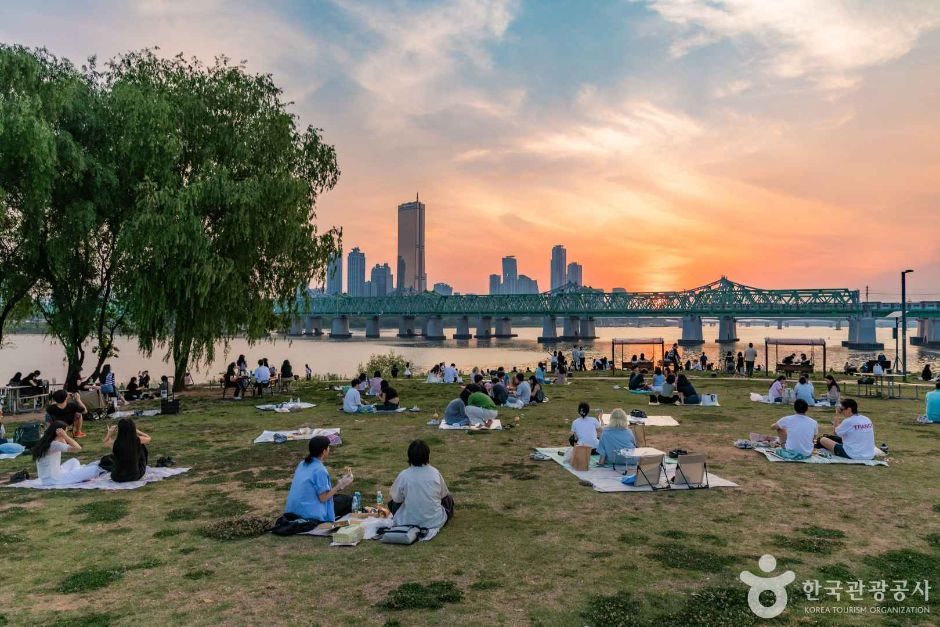
Seoul seoul
Seoul is a city where royal palaces and trend-setting streets sit side by side. Start with Gyeongbokgung or Changdeokgung and the hanok lanes of Bukchon for classic Korea. Then switch gears in minutes—Hongdae, Seongsu, and Hannam are packed with cafés, design shops, and street culture. That fast contrast is part of Seoul’s charm. The Han River works like the city’s open stage: picnic by day, skyline walks by night. Markets like Gwangjang and Namdaemun add local flavors and everyday energy. For a big-picture view, head up to Namsan viewpoints or rooftop bars. With efficient transit, even a short trip can connect history, food, shopping, and night views smoothly.
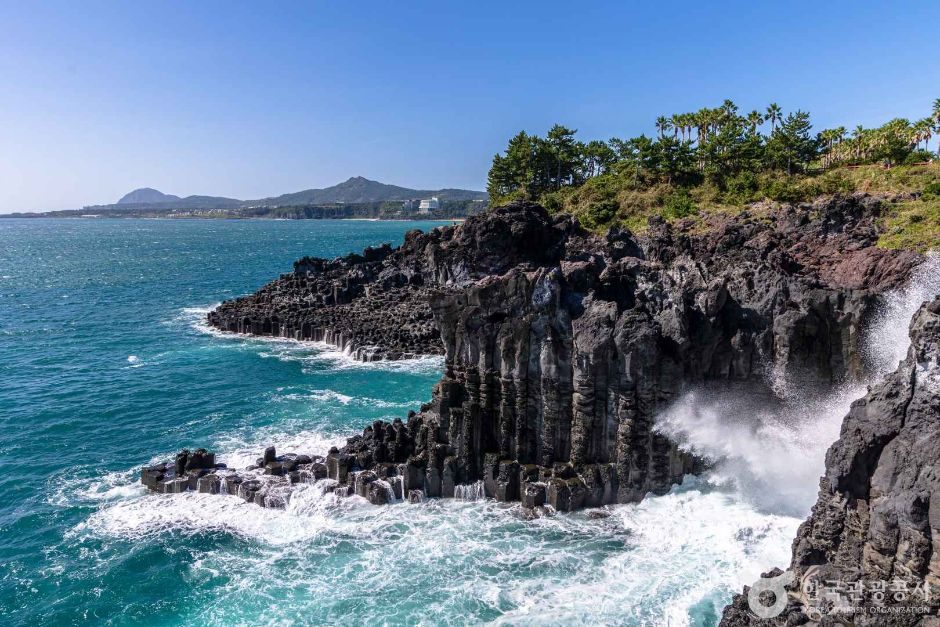
Jeju Jeju
Jeju is Korea’s most iconic island escape—big nature, slow roads, and dramatic coastlines. Hallasan rises at the center, while oreum (small volcanic cones), forests, lava caves, and beaches spread out in every direction. A perfect day often looks simple: drive the coastal roads in the morning, take a light oreum hike for wide-open views, then explore a lava cave or waterfall in the afternoon. Jeju also has a strong café and brunch scene, so even rainy weather feels like part of the island mood. Because the wind, light, and colors shift by season, the same route can feel completely different throughout the year. Best enjoyed unhurriedly by car, but buses can still cover key areas well. Jeju is for travelers who want nature on a big, calming scale.
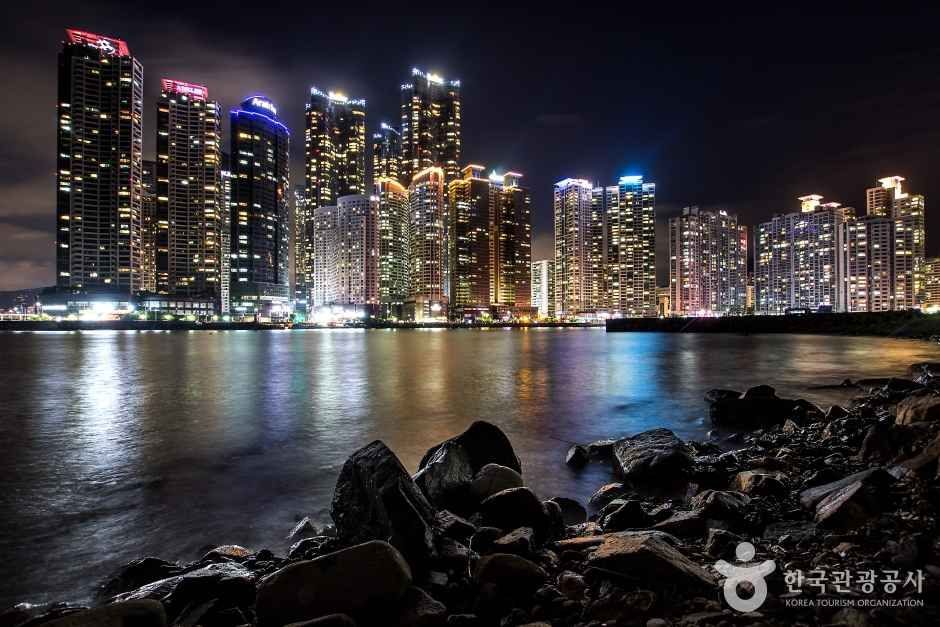
Busan busan
Busan is Korea’s seaside port city where beach downtime and city energy come together. Haeundae feels polished and resort-like, with a wide shoreline and modern cafés. Gwangalli shines at night—bridge lights reflect on the water and set the mood instantly. It’s one of those places where the real view beats the photos. Gamcheon Culture Village adds colorful hillside alleys made for slow walks and snapshots. Jagalchi and Gukje Market bring the local buzz, fast and lively. The food scene—fresh sashimi, crab, and Busan-style fish cakes—can easily become the highlight. Add coastal paths and scenic viewpoints, and you get a relaxed but vivid rhythm that fits perfectly into 2–3 days.

Gyeongsangbuk-do Gyeongju
Gyeongju often feels like a “museum without walls.” As the former capital of the Silla Kingdom, historic sites are woven into everyday streets— from Bulguksa and Seokguram to royal tomb fields and Cheomseongdae’s open landscapes. Spend the day walking through heritage spots, then take a lighter turn in Hwangridan-gil, where cafés and small shops sit right next to history. At dusk, the illuminated view of Donggung Palace and Wolji Pond is a true highlight— calm, reflective, and unmistakably Gyeongju. The city is easy to navigate, and it rewards slow travel. Biking or walking lets you feel how quietly time settles here. It’s one of the best places to experience Korea’s historical atmosphere in a gentle, memorable way.
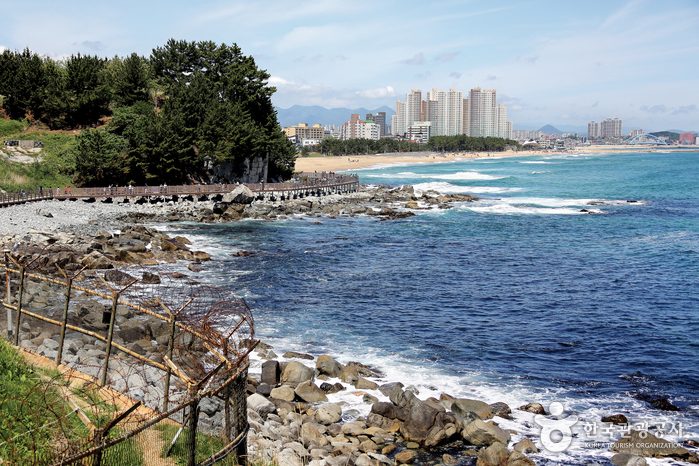
Gangwon Special Self-Governing Province Sokcho City
Sokcho is a compact coastal city where the East Sea meets Seoraksan—perfect for a quick reset. Start the morning with a sea walk, then shift the pace with a cable car ride or light hiking in Seoraksan. Because the city is small, getting around is simple, and the mood changes fast—in the best way. Sokcho Central Market is a must for high-density snacking and local flavors. Seafood is the headline: crab, sashimi, squid, and warm comfort soups to finish the day. Catch the late-afternoon breeze by the shore, then end with a satisfying dinner. Sokcho delivers nature and food in a tight, easy itinerary.
Incheon Incheon
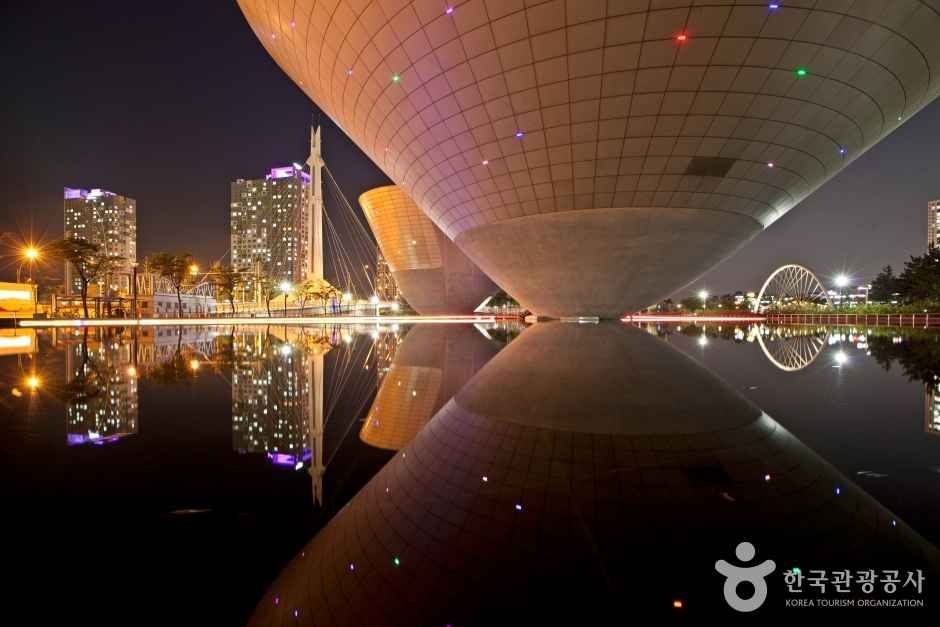
Incheon is often seen as an “airport city,” but it’s full of surprisingly good contrasts. Chinatown and the old port district offer retro streets, historic façades, and easy photo-friendly walks. A short ride away, Songdo flips the mood completely with sleek skylines, wide paths, parks, and modern city design. For a quick seaside breeze, Wolmido is an easy option for a casual stroll and simple snacks. Because it sits right next to Seoul, Incheon works especially well for half-day to one-day itineraries. Without overplanning, you can connect old streets, futuristic views, and the coast in one smooth loop.
Seoul Gangnam-gu
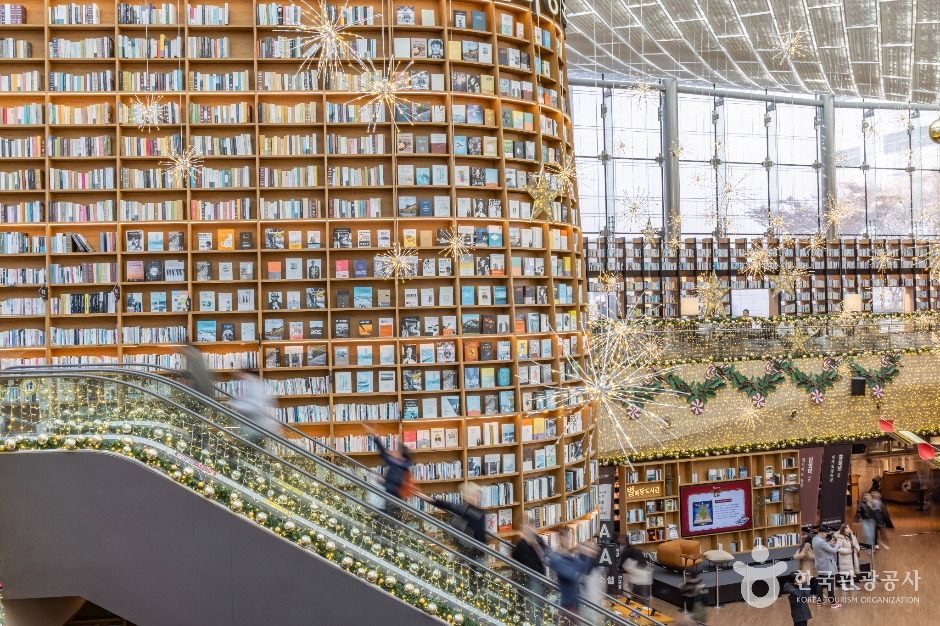
Gangnam-gu is one of Korea’s most prominent commercial and residential districts, home to luxury shopping zones, major IT companies, entertainment agencies, and upscale neighborhoods. Areas like Cheongdam, Apgujeong, and Samseong-dong are internationally recognized for fashion, culture, and tourism.
Gangwon Special Self-Governing Province Gangneung
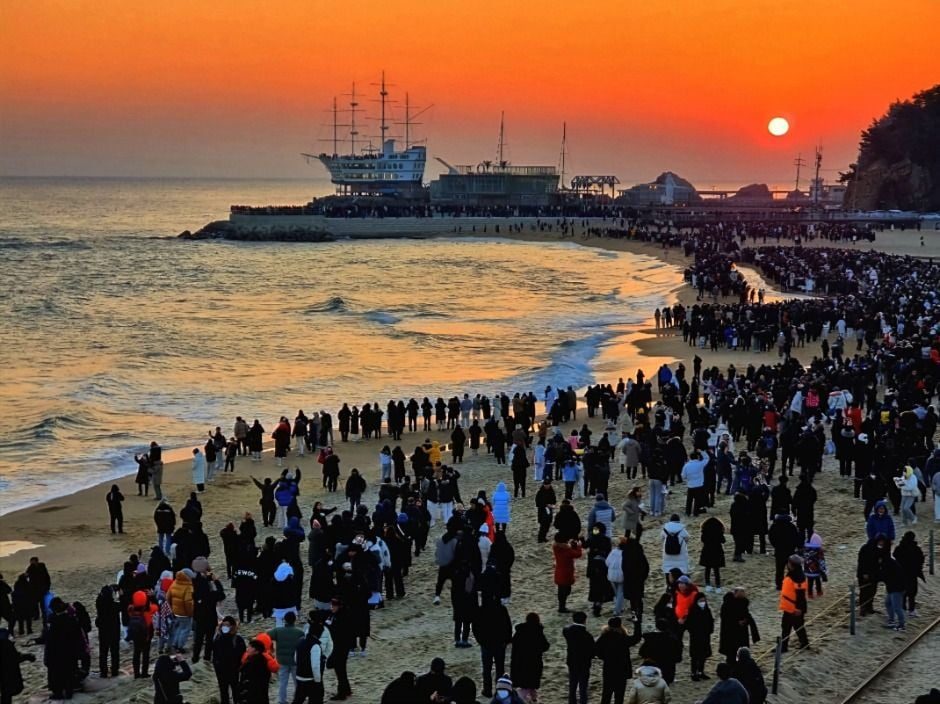
Gangneung is an East Coast favorite built on a simple trio: ocean views, great cafés, and easy walks. At Anmok Beach’s café street, “coffee with a sea view” is practically the default setting. Around Gyeongpo, you’ll find relaxed paths linking lake scenery and the shoreline. Coastal spots like Jeongdongjin deliver wide-open horizons and that clean East Sea vibe. The city’s coffee culture is real—there are plenty of places to linger without rushing. Well-made seaside walkways make it easy to spend an entire day with the wind and waves as your background. Winter brings a beautiful contrast of snow and ocean; summer adds beach energy. It’s a calm, photogenic city that changes mood with the seasons.
Gyeonggi-do Gapyeong
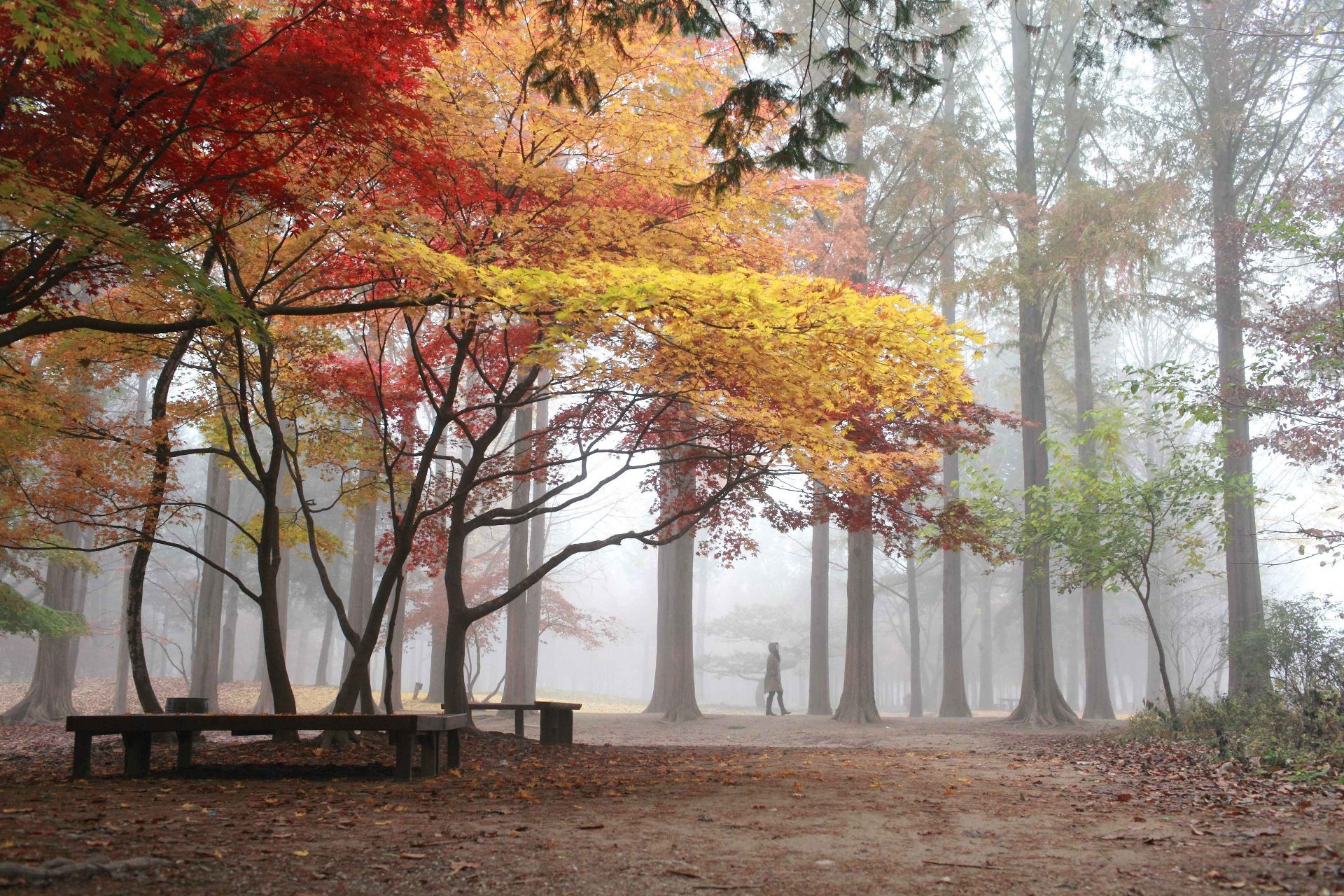
Gapyeong is the classic “quick nature escape” from Seoul. A drive along the Bukhan River and a slow break at a riverside café can already feel like a reset. Nami Island is known for clean walking routes and photogenic scenery, while The Garden of Morning Calm offers beautifully maintained paths and seasonal flowers—perfect for an easy, calming stroll. Accommodation options are flexible, from cozy pensions to resorts and camping, so it works as a day trip or a simple one-night getaway. Spring and autumn are especially scenic, summer adds refreshing riverside vibes, and winter feels quiet and crisp. Gapyeong is ideal when you want nature without complicated planning.

Jeju Jeju City
Jeju-si is the administrative and tourism center of Jeju Island, known for volcanic landscapes and coastal scenery.
Gangwon Special Self-Governing Province Chuncheon City
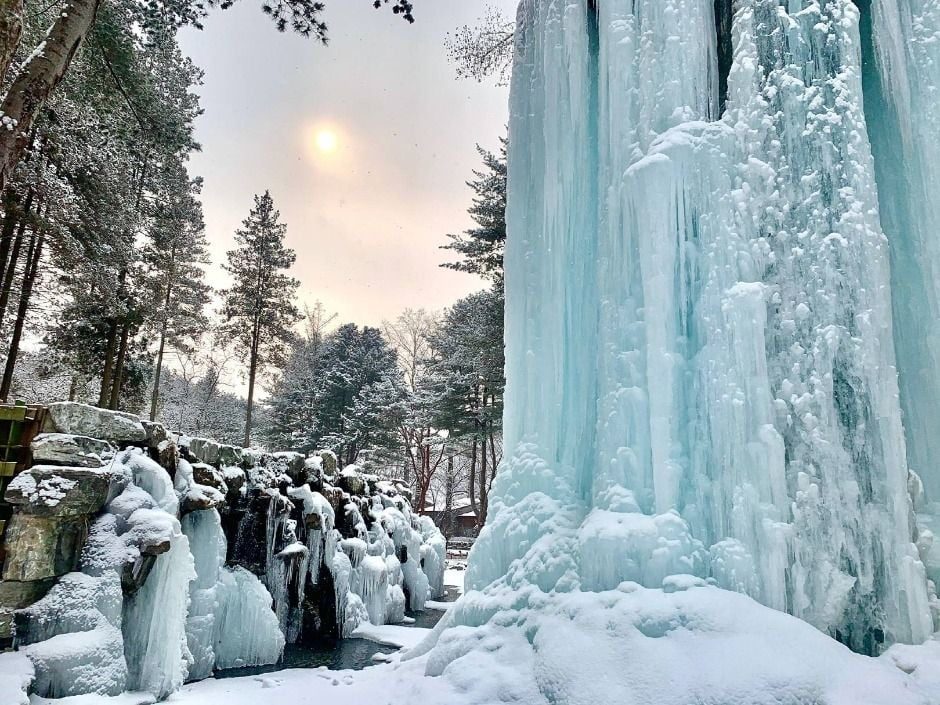
Chuncheon is a lakeside city built for relaxed scenery and easy outdoor routes. Around Uiam Lake and the Soyang River, driving and cycling feel natural, and waterside walks soften the pace of the day. There are plenty of cafés where the lake view becomes part of the itinerary without trying. Close to Seoul, it works as a day trip or a casual overnight stay—easy to scale up or down. Food is a strong draw: Chuncheon dakgalbi and buckwheat noodles are iconic for a reason. The rhythm is simple and satisfying—eat well, walk a bit, rest by the water. You don’t need a complicated plan. When the weather is clear, the lake-and-sky colors do most of the work, making the trip feel refreshingly complete.
Seoul Jung-gu
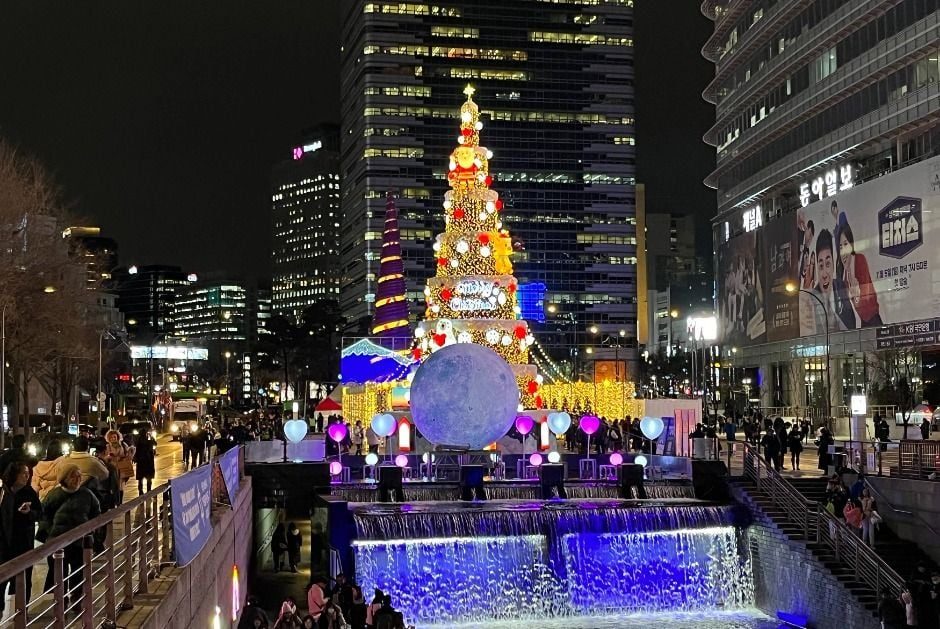
Jung-gu is the central district of Seoul, home to Myeongdong, Namsan, and Deoksugung Palace.
Gyeongsangbuk-do Pohang City
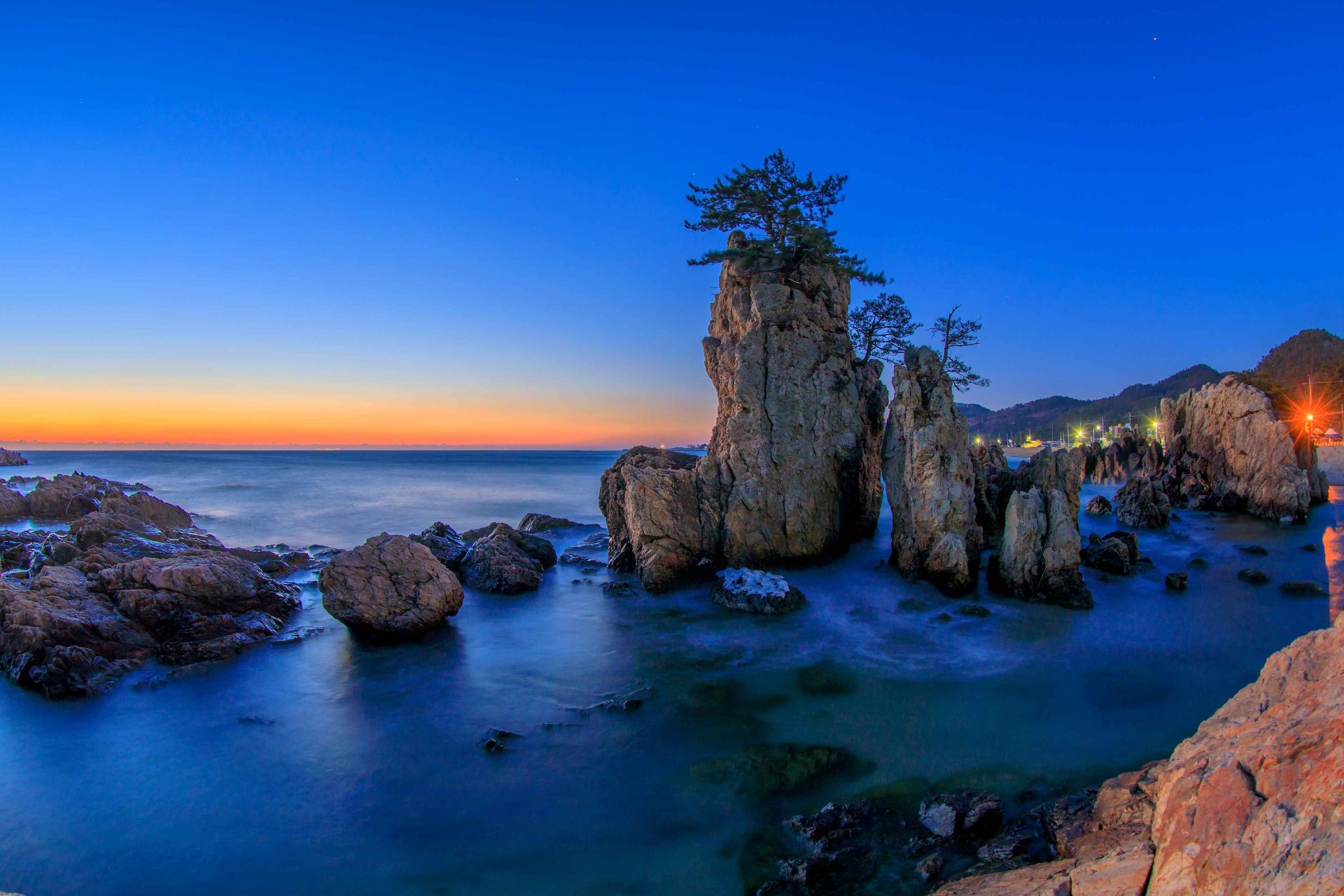
Pohang is Korea’s major coastal and industrial city, home to POSCO and scenic east coast attractions such as Homigot Sunrise Square.
Gyeongsangnam-do Tongyeong City
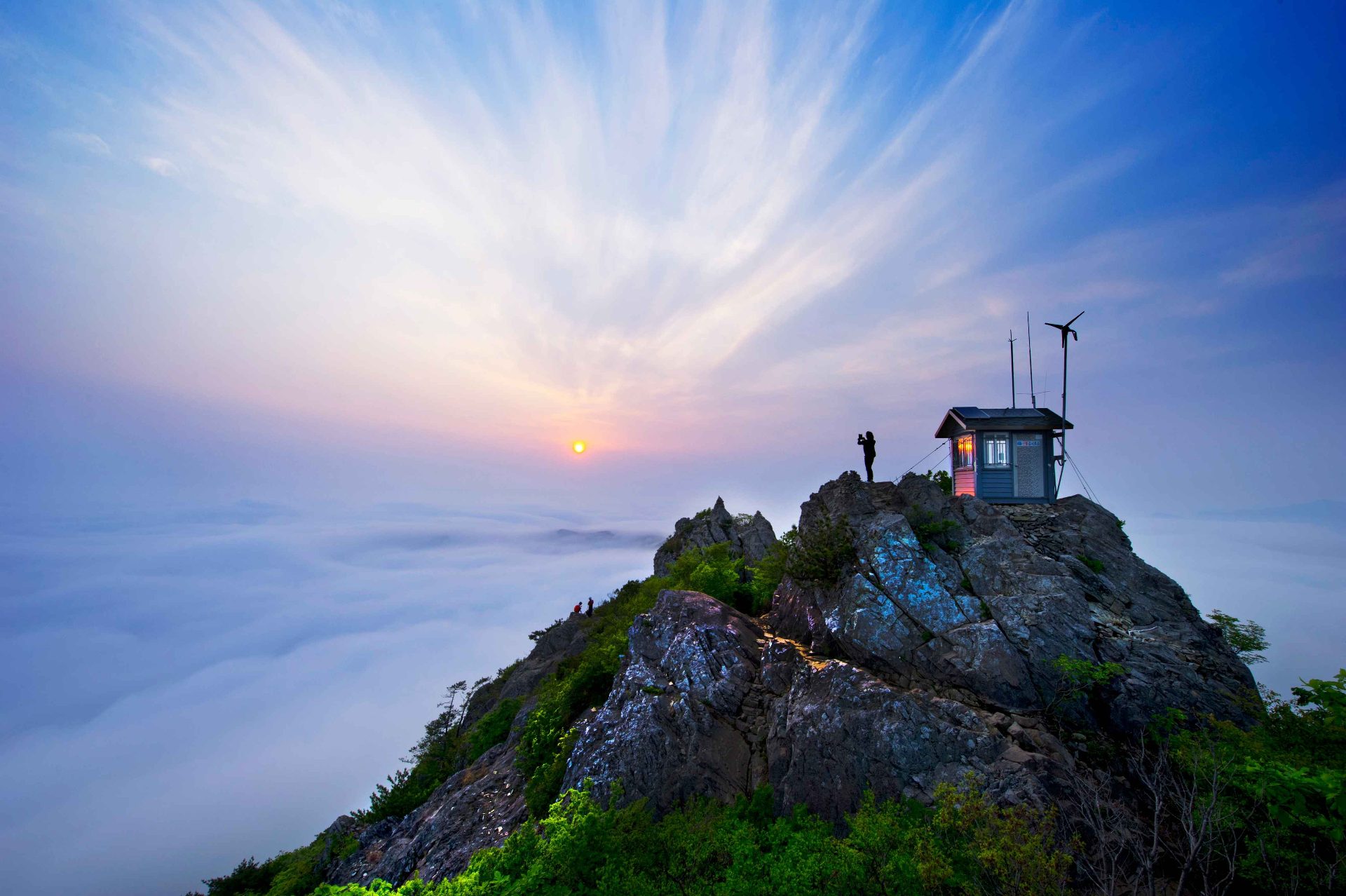
Tongyeong City travel guide: islands, ocean views, cable car & artsy vibes. Must-sees, routes, maps & transit tips on Staypick—build your itinerary fast.
Jeollanam-do Suncheon City
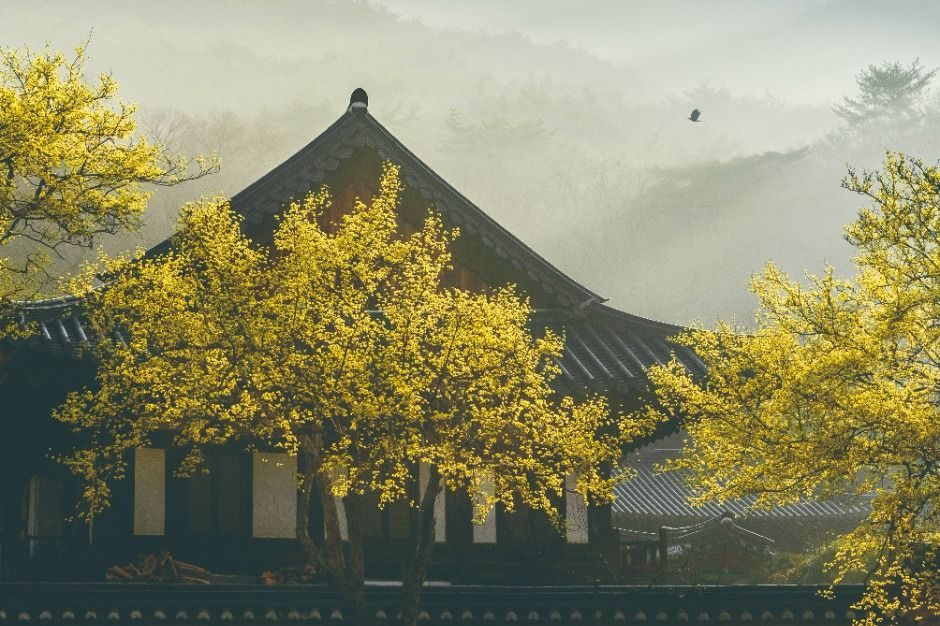
Suncheon is a nature-focused city that feels calm and well-organized. Suncheon Bay’s wetlands and reed fields open up wide skies and quiet scenery that naturally slows you down. The Suncheonman National Garden is designed for long, comfortable walks— the kind where you feel refreshed rather than tired. It’s photogenic in every season, and the atmosphere suits solo travelers, couples, and families alike. Because it’s not overly crowded, the city feels spacious and unhurried. Moving between spots is relatively easy, so you can have a satisfying trip without a complicated itinerary. If you want a green, restful route centered on walking and scenery, Suncheon delivers a steady, understated kind of happiness—simply by letting you stroll.

Gwangju Metropolitan City gwangju
Gwangju is known as a city of arts and culture and is historically recognized as a symbol of Korea’s democratization movement. With vibrant cultural infrastructure, the Asia Culture Center, and Mudeungsan National Park, the city offers a blend of nature and artistic experiences. Its rich culinary heritage also makes it a notable destination for food lovers.
Jeonbuk Special Self-Governing Province Jeonju City
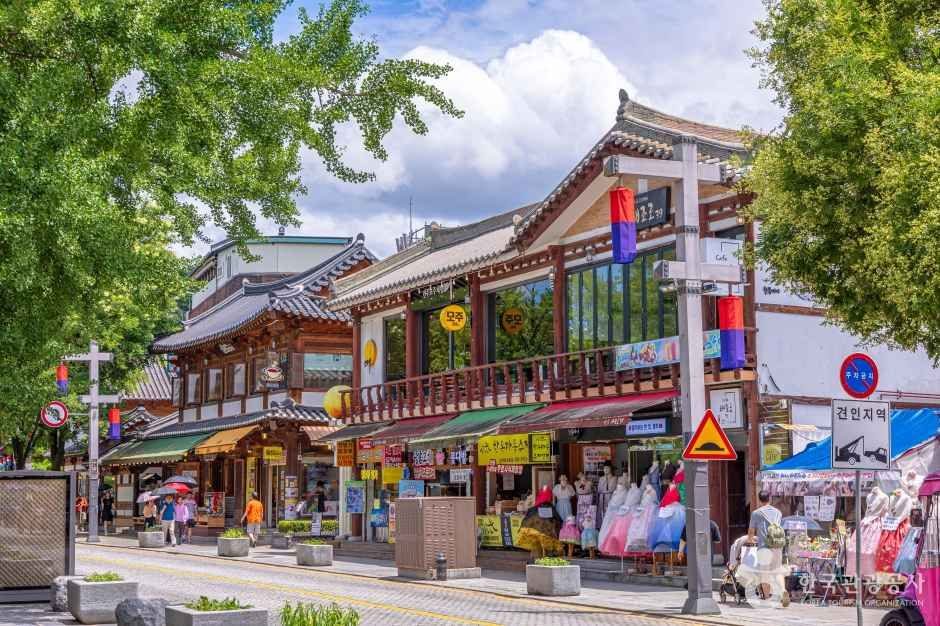
Jeonju is one of the easiest places to feel “classic Korea” at a glance. Jeonju Hanok Village is made for slow walks—low rooftops, calm alleys, and photo-friendly corners everywhere. Add a hanbok experience or a traditional tea stop, and the vibe becomes even clearer. Food is a major reason to come. Bibimbap, kongnamul gukbap (bean sprout soup rice), and the famous makgeolli alley give Jeonju a strong local identity. The area is compact, so a day trip or one night is enough for a satisfying loop. Daytime feels warm and cultural; after sunset, soft lights bring out a more cinematic mood. If you want heritage, atmosphere, and great regional food in one place, Jeonju is a safe bet.
Gyeongsangnam-do Namhae County
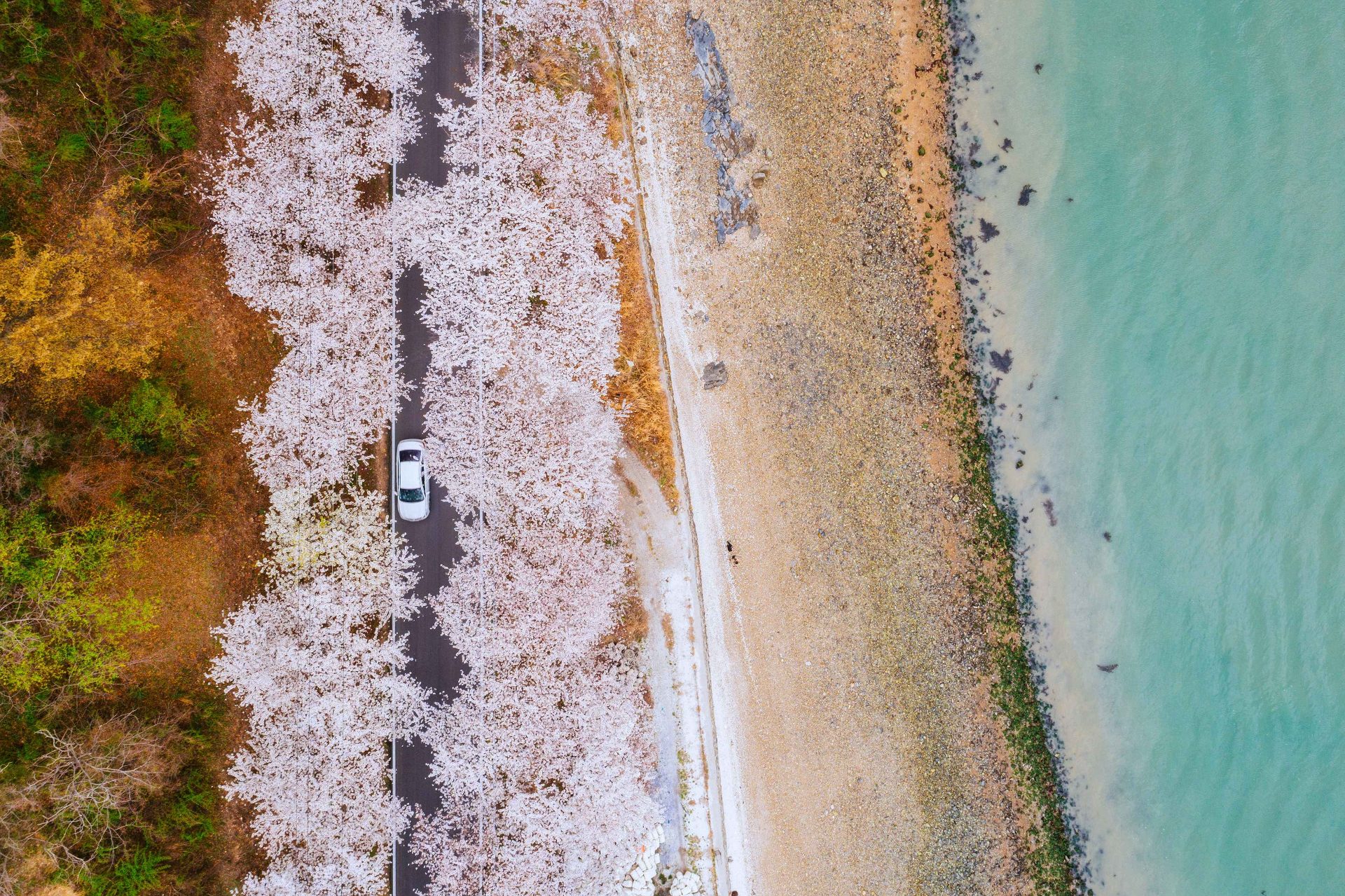
Namhae-gun is known for coastal hiking trails, German Village, and scenic seascapes.
Jeollanam-do Yeosu City
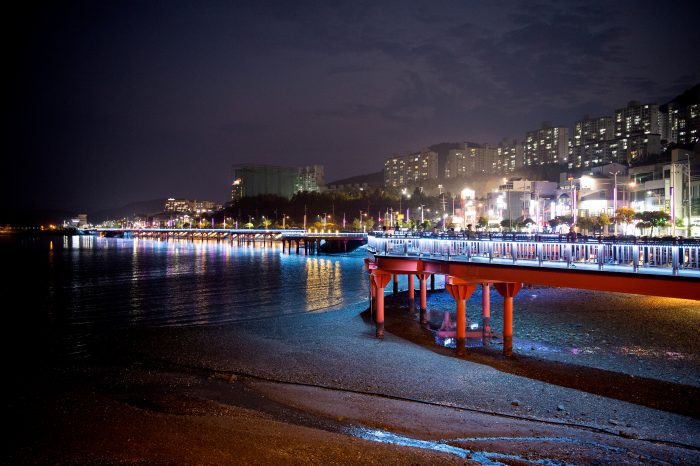
Yeosu City travel guide: Yeosu night sea, islands, cable cars & seafood. Must-sees, routes, maps & transit tips on Staypick—build your itinerary fast.
Gyeonggi-do gyeonggi-do
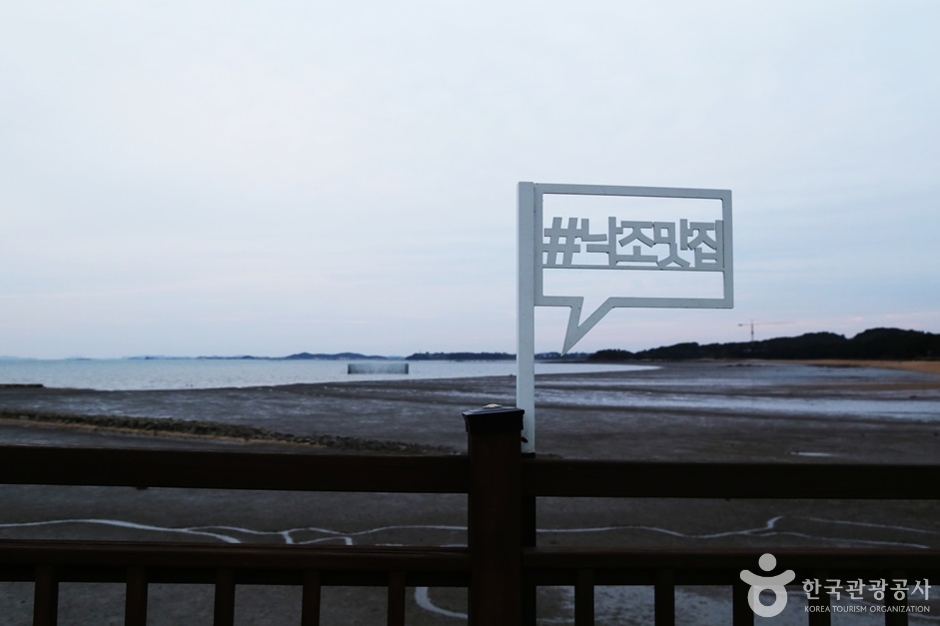
Gyeonggi-do surrounds Seoul and is South Korea’s most populous province. It features a balanced blend of advanced industrial clusters and rural landscapes. Home to innovation hubs such as Pangyo Techno Valley and UNESCO World Heritage sites including Suwon Hwaseong Fortress and Namhansanseong, Gyeonggi-do offers both technological dynamism and cultural heritage.
Seoul Gangseo-gu
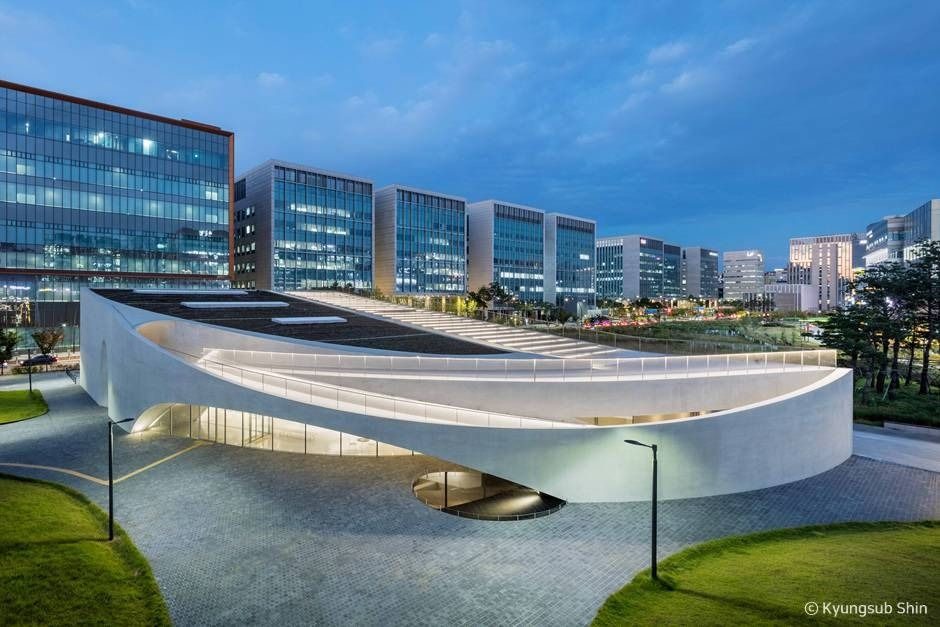
Gangseo-gu is a western gateway district of Seoul, located near major transportation routes including the airport corridor. The Magok district has rapidly developed into a major R&D and high-tech hub. With the Han River and large parks nearby, the district offers excellent residential conditions and a blend of traditional and modern commercial areas.